
Imagine this: you’ve just arrived in a beautiful Spanish-speaking country.
The streets are bustling, the smells of local food are irresistible, and you’re excited to explore but suddenly, you realize you don’t know how to ask for directions or order your favorite dish. Sounds stressful, right?
Well, that’s exactly why learning a few simple Spanish phrases for travel can make your trip so much easier and enjoyable.
If you’re a solo traveler, a couple exploring a new city, or a family on vacation, knowing these basic phrases can help you connect with locals, avoid confusion, and even make new friends along the way.
Why Simple Spanish Phrases for Travel Matter
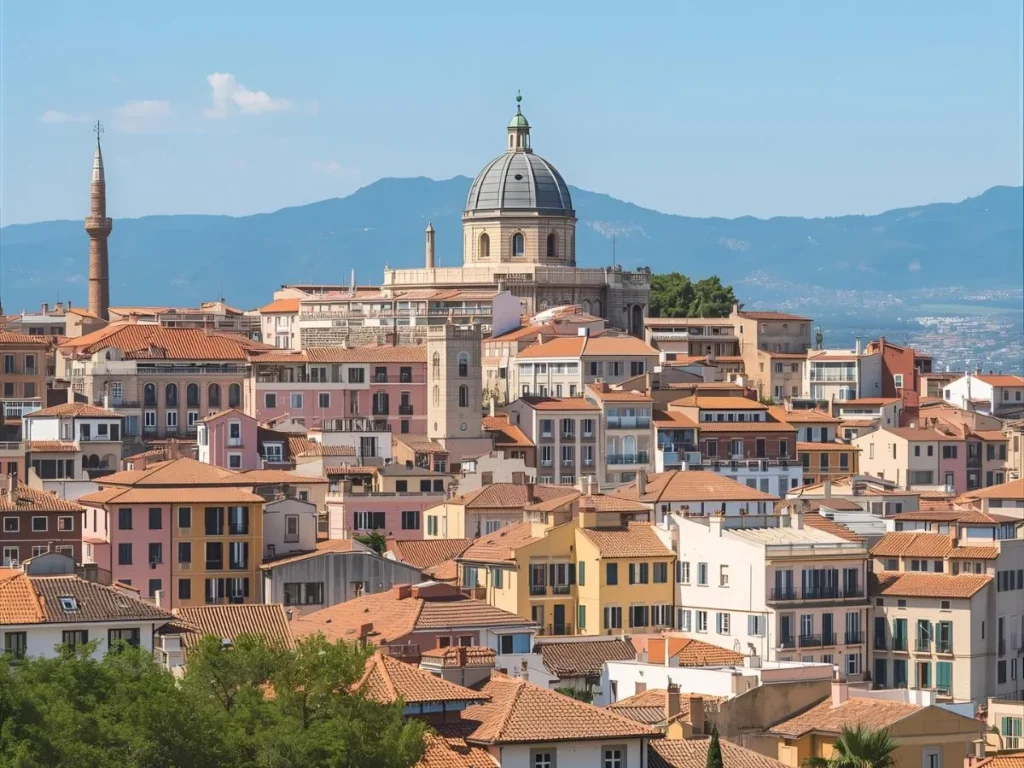
Traveling to Spanish-speaking countries without speaking Spanish can feel like trying to navigate a maze blindfolded. Knowing even a handful of simple Spanish phrases for travel can make your experience:
- Less stressful: Asking for directions or help becomes easier.
- More enjoyable: Engaging with locals in their language often leads to smiles, laughter, and shared experiences.
- Safer: Emergencies or unexpected situations can be managed better when you can communicate basic needs.
For example, saying “¿Dónde está el baño?” helps you find a restroom without confusion, and “Una mesa para dos, por favor” ensures a smooth restaurant experience. Even locals appreciate your effort to speak their language. These phrases are your travel toolkit – small but powerful.
Greetings and Polite Expressions 🤝
Starting conversations with a smile is universal, but in Spanish-speaking countries, greetings carry extra warmth.
Hola – Hello
Use When: Meeting someone for the first time.
Example: You greet a shop owner with “Hola” when entering the store.
Buenos días – Good morning
Use When: Arriving at a café or hotel in the morning.
Example: Saying “Buenos días” to your hotel receptionist sets a friendly tone.
Por favor – Please
Use When: Making requests politely.
Example: Asking “Una cerveza, por favor” at a restaurant.
Gracias – Thank you
Use When: Showing appreciation.
Example: Saying “Gracias” after receiving directions from a stranger.
Perdón / Disculpe – Excuse me
Use When: Getting someone’s attention or apologizing.
Example: “Perdón, ¿puede ayudarme?” when needing help on the street.
Asking for Directions 🗺️
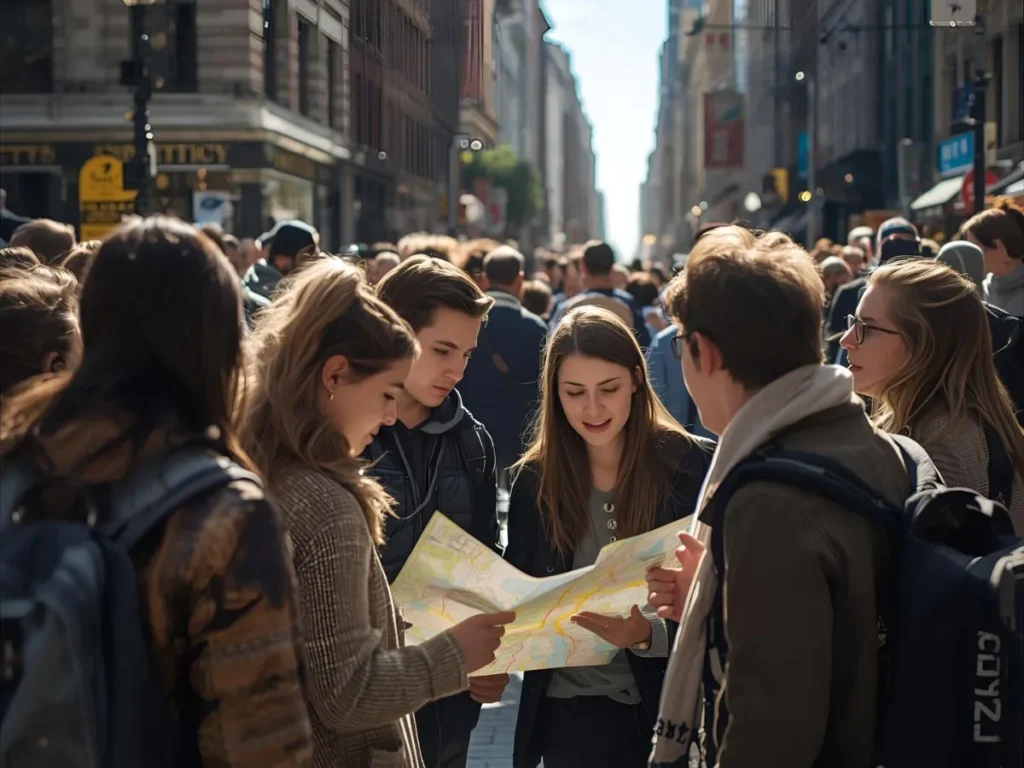
Getting lost is part of travel, but these phrases will keep you on track.
¿Dónde está…? – Where is…?
Use When: Looking for a specific place.
Example: “¿Dónde está la estación de tren?”
A la derecha / A la izquierda – To the right / To the left
Use When: Following directions from locals.
Example: “Gire a la derecha en la esquina”
Cerca / Lejos – Near / Far
Use When: Asking about distance.
Example: “¿Está lejos el museo?”
¿Cuánto cuesta llegar a…? – How far is…?
Use When: Clarifying walking or driving distance.
Example: “¿Cuánto cuesta llegar al hotel desde aquí?”
Dining Out and Ordering Food 🍽️
Food is one of the best ways to experience local culture. These phrases help you order confidently.
Una mesa para… por favor – A table for… please
Use When: Arriving at a restaurant.
Example: “Una mesa para dos, por favor”
La carta / El menú – The menu
Use When: Asking to see the food options.
Example: “¿Puedo ver la carta, por favor?”
Quisiera… – I would like…
Use When: Ordering food or drinks.
Example: “Quisiera una paella y agua mineral”
La cuenta, por favor – The bill, please
Use When: Paying at the end of a meal.
Example: Saying “La cuenta, por favor” after finishing dinner.
Shopping and Bargaining 🛍️
Souvenirs, local crafts, or groceries become easier with these phrases.
¿Cuánto cuesta? – How much does it cost?
Use When: Asking the price of an item.
Example: “¿Cuánto cuesta esta camiseta?”
¿Tiene otro color / talla? – Do you have another color / size?
Use When: Looking for alternatives.
Example: “¿Tiene otro color para este vestido?”
Solo estoy mirando – I’m just looking
Use When: Browsing without committing to buy.
Example: Saying this in a market to avoid pressure from sellers.
¿Puedo pagar con tarjeta? – Can I pay with a card?
Use When: Clarifying payment options.
Example: “¿Puedo pagar con tarjeta o solo efectivo?”
Emergencies and Help 🆘
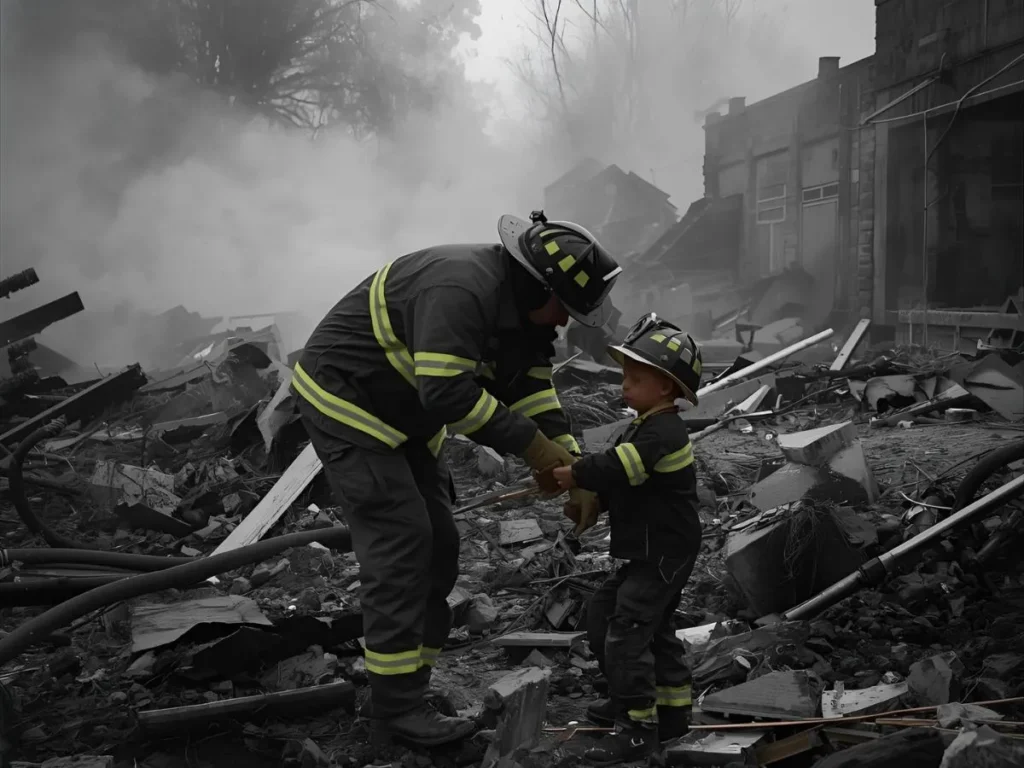
Safety is a priority. These phrases ensure you can ask for assistance quickly.
Ayuda – Help!
Use When: In danger or needing urgent assistance.
Example: Shouting “¡Ayuda!” if you’re lost or in trouble.
Llama a la policía – Call the police
Use When: Reporting a crime or emergency.
Example: “Llama a la policía, por favor”
Necesito un médico – I need a doctor
Use When: Feeling unwell or injured.
Example: “Necesito un médico, me duele mucho la cabeza”
Estoy perdido(a) – I am lost
Use When: Asking for directions if lost.
Example: Approaching a local: “Estoy perdido, ¿puede ayudarme?”
Transportation and Travel 🚌✈️
Getting around is simpler with these key phrases.
Un billete para… – A ticket to…
Use When: Buying transportation tickets.
Example: “Un billete para Madrid, por favor”
¿A qué hora sale…? – What time does… leave?
Use When: Checking schedules.
Example: “¿A qué hora sale el tren a Valencia?”
¿Dónde está la parada de…? – Where is the… stop?
Use When: Looking for buses or taxis.
Example: “¿Dónde está la parada de autobús?”
Quisiera un taxi – I would like a taxi
Use When: Hailing a taxi.
Example: “Quisiera un taxi al aeropuerto, por favor”
Bonus Recap Table 📝
| Category | Key Phrases | Use When | Example |
|---|---|---|---|
| Greetings & Politeness | Hola, Buenos días, Por favor, Gracias | Meeting people, making requests | Hola, ¿cómo está? |
| Directions | ¿Dónde está…?, A la derecha/izquierda | Finding places | ¿Dónde está la estación de tren? |
| Dining | Una mesa para…, Quisiera… | Ordering food or drinks | Quisiera una paella y agua mineral |
| Shopping | ¿Cuánto cuesta?, Solo estoy mirando | Buying items | ¿Cuánto cuesta esta camiseta? |
| Emergencies | Ayuda, Llama a la policía | Asking for urgent help | Necesito un médico |
| Transportation | Un billete para…, Quisiera un taxi | Travel & commuting | Un billete para Madrid, por favor |
Final Thoughts 🌟
Mastering simple Spanish phrases for travel doesn’t require fluency, just practice and confidence.
Using these expressions shows respect for the local culture, helps you navigate daily situations, and creates opportunities to connect with people.
Even a smile combined with a phrase like “Gracias” or “Hola” can leave a lasting impression.

QuicklyReply helps you master real-life communication with ready-to-use English phrases for work, travel, and daily life—perfect for teachers, learners, and professionals seeking quick, natural expressions.
Leave a Reply