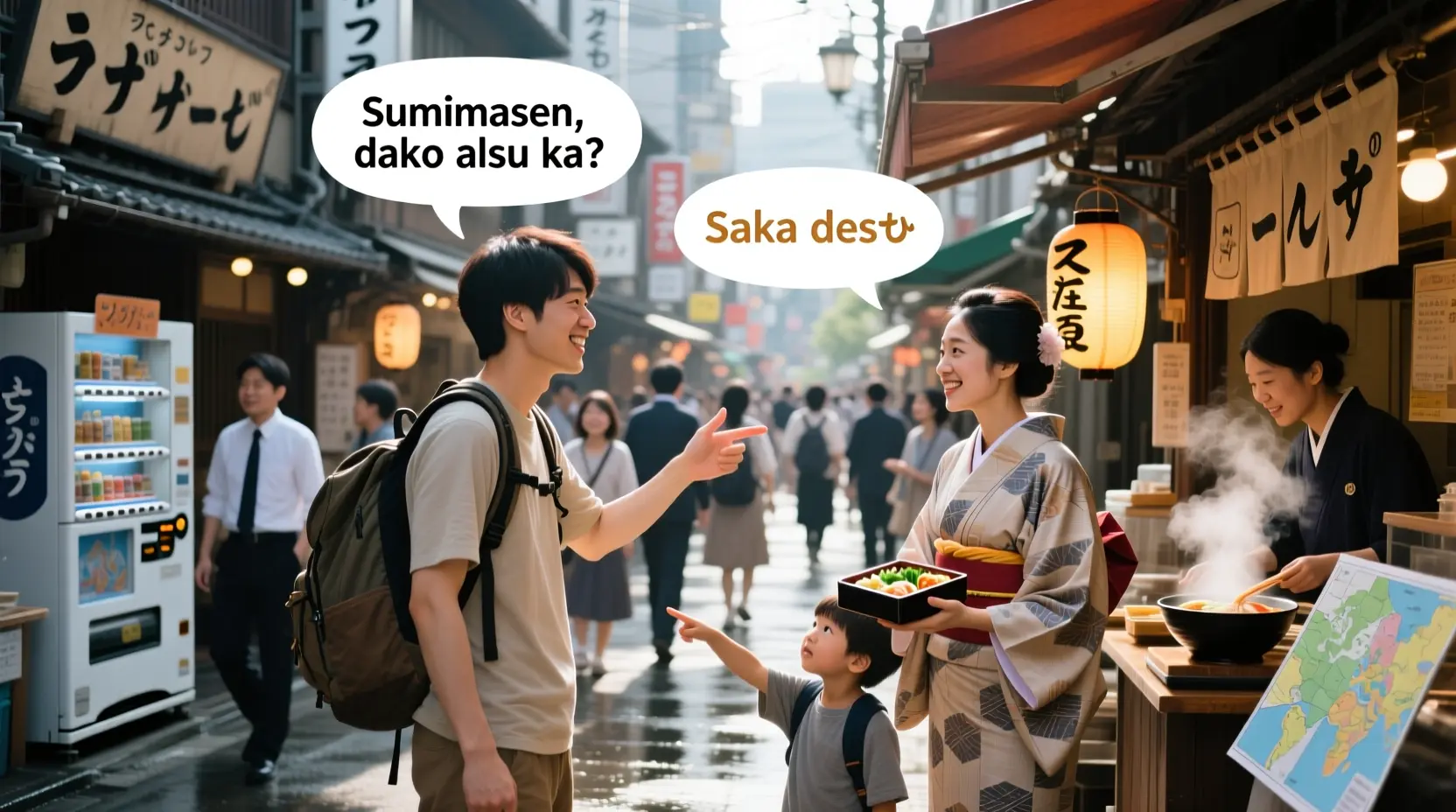
Traveling to Japan is a dream for many, but language barriers can sometimes turn excitement into stress.
That’s where phrases in Japanese for travelers come in handy. These simple expressions help you navigate airports, restaurants, hotels, and everyday situations with ease.
If you’re asking for directions, ordering food, or greeting locals, knowing the right phrases makes your experience smoother, safer, and more enjoyable.
Even a few basic expressions can open doors to authentic cultural interactions.
This guide is designed to equip travelers with practical phrases, tips, and real-life examples so that you can explore Japan confidently and communicate effortlessly.
Why It Matters 🌟
Understanding phrases in Japanese for travelers is more than just polite—it’s practical. Japan is renowned for its hospitality, and showing effort in speaking Japanese is deeply appreciated.
For example, imagine asking for directions at a busy Shibuya intersection.
Using simple phrases like “Kono michi wa doko desu ka?” (Where is this street?) saves time and avoids confusion.
Or, when ordering sushi at a small, traditional restaurant, knowing how to say “Omakase onegaishimasu”
enhances your dining experience.
Traveling without knowing essential phrases can lead to misunderstandings, missed opportunities, or frustration.
With this guide, you’ll gain confidence in approaching locals, ordering food, navigating transport, and participating in Japanese culture.
Greetings & Polite Expressions 🙏
Greetings and polite expressions are essential for showing respect and making a positive first impression.
Hello – Konnichiwa
- Explanation: The standard greeting for daytime.
- Use When: Meeting someone for the first time or entering a shop.
- Example: “Konnichiwa! Sumimasen, chotto kikitai koto ga arimasu.” (Hello! Excuse me, I have a quick question.)
Thank You – Arigatou Gozaimasu
- Explanation: Expresses gratitude politely.
- Use When: Receiving help, services, or directions.
- Example: “Arigatou gozaimasu! Anata no tasuke ni kansha shimasu.” (Thank you very much! I appreciate your help.)
Excuse Me / Sorry – Sumimasen
- Explanation: Used to get attention or apologize.
- Use When: Asking for directions, bumping into someone, or interrupting.
- Example: “Sumimasen, eki wa doko desu ka?” (Excuse me, where is the station?)
Goodbye – Sayounara
- Explanation: Polite way to say goodbye.
- Use When: Leaving a place or ending a conversation.
- Example: “Sayounara! Mata ashita aimashou.” (Goodbye! Let’s meet tomorrow.)
Dining & Food 🥢
Ordering food or asking for recommendations becomes simple with the right phrases.
Menu, Please – Menyuu o onegaishimasu
- Explanation: Request the menu politely.
- Use When: Entering restaurants.
- Example: “Menyuu o onegaishimasu.” (Could I see the menu, please?)
Delicious – Oishii
- Explanation: Compliment the food you enjoy.
- Use When: After tasting your meal.
- Example: “Kono sushi wa totemo oishii desu!” (This sushi is very delicious!)
Check, Please – Okanjou o onegaishimasu
- Explanation: Asking for the bill politely.
- Use When: Finishing your meal.
- Example: “Okanjou o onegaishimasu.” (Could I get the check, please?)
I’m Allergic to – ~ arerugii ga arimasu
- Explanation: Communicate allergies clearly.
- Use When: Ordering food with dietary restrictions.
- Example: “Watashi wa ebi arerugii ga arimasu.” (I’m allergic to shrimp.)
Directions & Transportation 🗺️🚄
Getting around Japan is easier when you know the right phrases.
Where is…? – … wa doko desu ka?
- Explanation: Ask for locations politely.
- Use When: Finding streets, landmarks, or stations.
- Example: “Toire wa doko desu ka?” (Where is the restroom?)
How Much is the Fare? – Ryokin wa ikura desu ka?
- Explanation: Ask about transportation cost.
- Use When: Taking taxis or buses.
- Example: “Kono basu no ryokin wa ikura desu ka?” (How much is this bus fare?)
Train Station – Eki
- Explanation: Most common word for stations.
- Use When: Asking for directions or train info.
- Example: “Shinjuku eki wa doko desu ka?” (Where is Shinjuku Station?)
I Want to Go to – … ni ikitai desu
- Explanation: Indicate your destination clearly.
- Use When: Taking taxis, buses, or asking locals.
- Example: “Tokyo Skytree ni ikitai desu.” (I want to go to Tokyo Skytree.)
Shopping & Money 💴🛍️

When buying souvenirs or necessities, clear communication is key.
How Much? – Ikura desu ka?
- Explanation: Ask the price of items.
- Use When: Shopping in stores or markets.
- Example: “Kono omiyage wa ikura desu ka?” (How much is this souvenir?)
I’ll Take It – Kore o kudasai
- Explanation: Politely indicate your purchase.
- Use When: Buying items in shops.
- Example: “Kono tenugui o kudasai.” (I’ll take this hand towel.)
Do You Accept Credit Cards? – Kurejitto kaado wa tsukaemasu ka?
- Explanation: Ask payment options.
- Use When: Paying in stores or restaurants.
- Example: “Kurejitto kaado wa tsukaemasu ka?” (Can I pay with a credit card?)
Emergencies & Safety 🚨
Safety comes first. Knowing essential emergency phrases is critical.
Help! – Tasukete!
- Explanation: Call for immediate help.
- Use When: In danger or emergencies.
- Example: “Tasukete! Byouin ga hitsuyou desu!” (Help! I need a hospital!)
Call the Police – Keisatsu o yonde kudasai
- Explanation: Ask someone to contact the police.
- Use When: Witnessing a crime or lost items.
- Example: “Keisatsu o yonde kudasai. Saifu o nakushimashita.” (Call the police, please. I lost my wallet.)
I’m Lost – Michi ni mayotte shimaimashita
- Explanation: Inform someone you’re lost.
- Use When: Seeking directions.
- Example: “Sumimasen, michi ni mayotte shimaimashita.” (Excuse me, I’m lost.)
Accommodation & Services 🏨
Communicating clearly at hotels or guesthouses ensures a smooth stay.
Reservation – Yoyaku
- Explanation: Mention your booking.
- Use When: Checking in at hotels.
- Example: “Yoyaku shiteimasu. Tanaka desu.” (I have a reservation. I’m Tanaka.)
Room Key – Heya no kagi
- Explanation: Ask for your room key politely.
- Use When: Checking in.
- Example: “Heya no kagi o onegaishimasu.” (May I have my room key?)
Where is the Bathroom? – Toire wa doko desu ka?
- Explanation: Common question in hotels.
- Use When: Finding facilities.
- Example: “Toire wa doko desu ka?” (Where is the restroom?)
Bonus Recap Table 📝
| Category | Phrase Example | Use When |
|---|---|---|
| Greetings | Konnichiwa | Meeting someone |
| Politeness | Arigatou Gozaimasu | Expressing thanks |
| Dining | Menyuu o onegaishimasu | Asking for menu |
| Directions | …wa doko desu ka? | Asking locations |
| Shopping | Ikura desu ka? | Asking prices |
| Emergencies | Tasukete! | Calling for help |
| Accommodation | Yoyaku | Checking in at hotels |
Final Thoughts ✅
Mastering phrases in Japanese for travelers transforms your Japan trip.
Even learning 20–30 key expressions can help you navigate transport, order meals, greet locals, and handle emergencies.
Always pair phrases with friendly gestures and smiles it goes a long way in creating positive interactions.
Start practicing before your trip, carry a small phrasebook or app, and don’t be afraid to try speaking.

At QuickReply.com, speed meets smart communication! Instantly craft perfect replies, boost engagement, and save time. Your go-to hub for quick, witty, and professional message responses anytime!
Leave a Reply