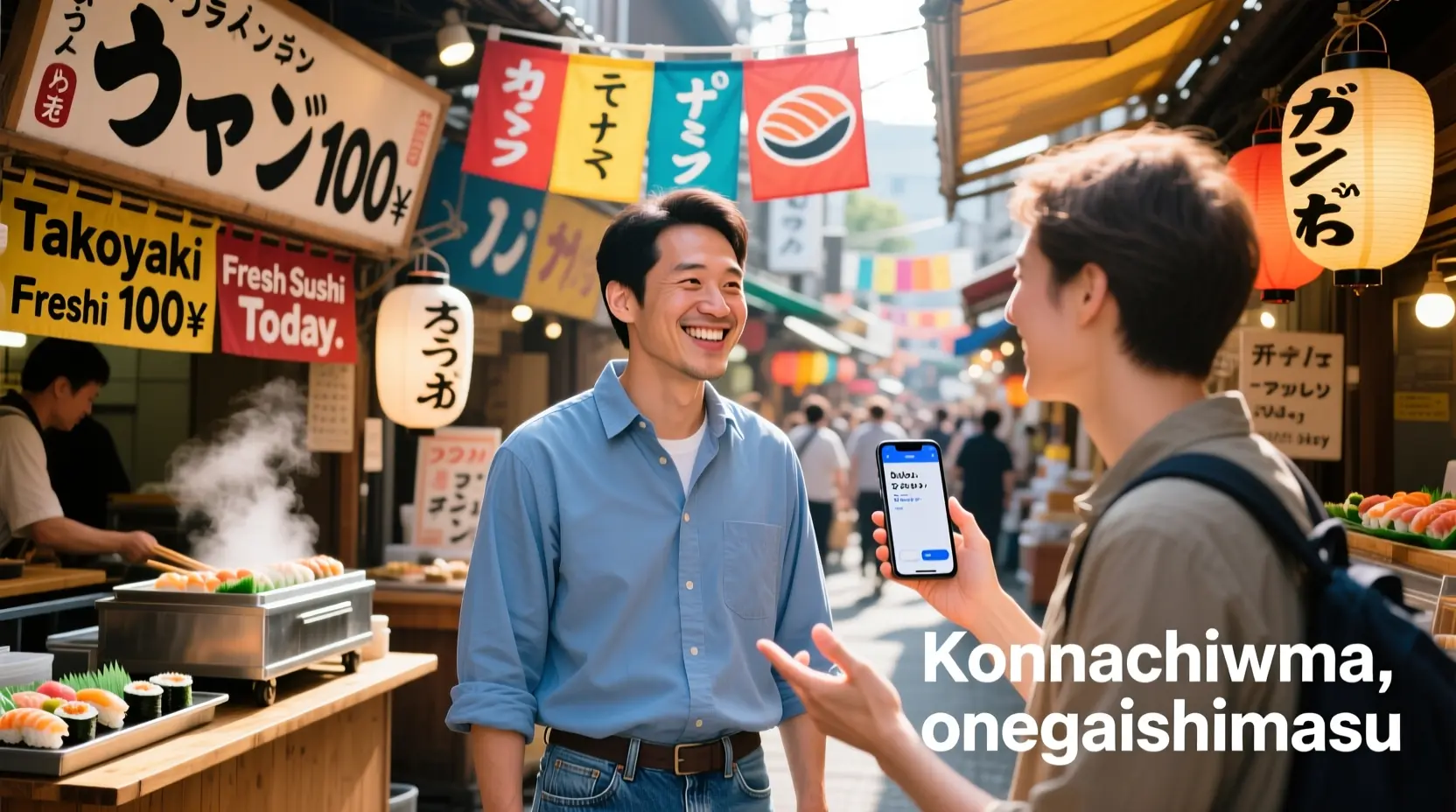
Planning a trip to Japan? 🌸 Knowing a few key Japanese phrases for tourists can turn your travel from stressful to seamless.
If you’re asking for directions, ordering sushi, or greeting locals, these phrases bridge the gap between cultures.
You don’t need to be fluent in Japanese to connect with people or explore comfortably.
Just learning some essential words shows respect for Japanese culture and helps you navigate everyday moments with ease.
From polite greetings to handy restaurant expressions, this guide gives you all the must-know Japanese travel phrases explained simply, with examples and tips on when to use them.
Let’s make your Japan trip unforgettable! ✈️
🏯 Why Key Japanese Phrases for Tourists Matter
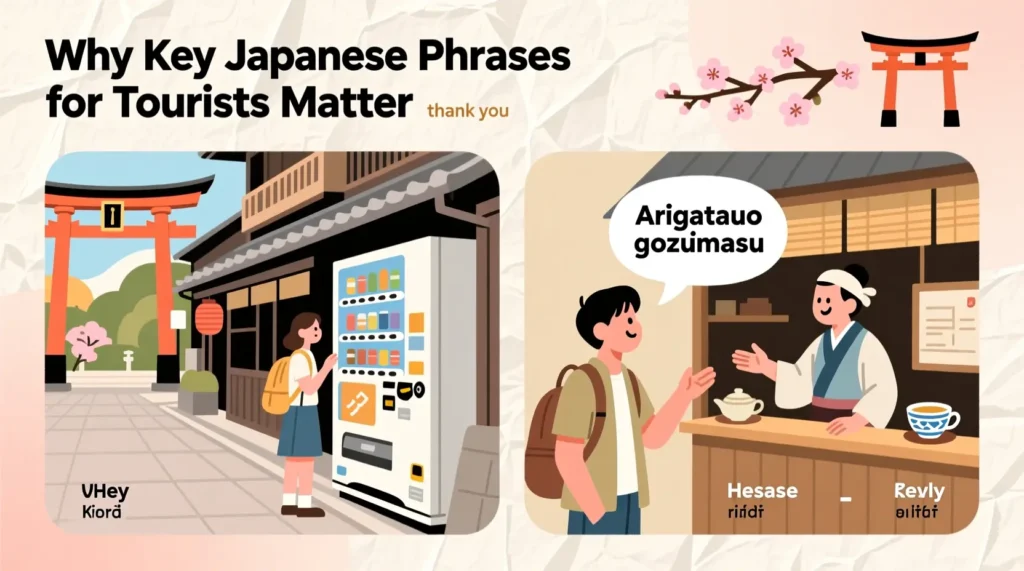
Traveling in Japan is a magical experience beautiful temples, polite people, and delicious food at every corner.
But language barriers can make even simple things tricky. That’s where learning key Japanese phrases for tourists becomes so helpful.
Imagine being lost in Tokyo and politely saying, “Sumimasen, doko desu ka?” . A small phrase like that can save your day.
By using basic Japanese phrases for tourists, you make your travels smoother, more enjoyable, and far more personal.
Let’s explore the most useful ones by category. 🌏
👋 Common Greetings and Polite Phrases
Ohayou Gozaimasu (おはようございます) – Good Morning
Start your day right with this friendly phrase. It’s polite and warm, perfect for mornings.
Use When: Greeting someone before noon.
Example: Ohayou gozaimasu! (Good morning!)
Konnichiwa (こんにちは) – Hello / Good Afternoon
A must-know greeting for every traveler.
Use When: Meeting someone during the day.
Example: Konnichiwa! How are you today?
Konbanwa (こんばんは) – Good Evening
Used when meeting someone after sunset.
Use When: Greeting at night or evening.
Example: Konbanwa! What a beautiful night!
Arigatou Gozaimasu (ありがとうございます) – Thank You Very Much
The ultimate phrase of politeness.
Use When: Expressing gratitude for service or help.
Example: Arigatou gozaimasu for helping me find my hotel!
Sumimasen (すみません) – Excuse Me / Sorry
Useful in many situations.
Use When: Getting someone’s attention or apologizing.
Example: Sumimasen, could you please show me the way?
🍣 Restaurant and Food Phrases
Itadakimasu (いただきます) – Let’s Eat!
A polite phrase before eating.
Use When: Starting your meal.
Example: Itadakimasu! The ramen looks amazing.
Gochisousama Deshita (ごちそうさまでした) – Thank You for the Meal
Said after finishing food to show gratitude.
Use When: Leaving a restaurant or finishing a meal.
Example: Gochisousama deshita! That was delicious.
Mizu Kudasai (水ください) – Water, Please
Simple yet essential phrase.
Use When: Asking for water at restaurants.
Example: Mizu kudasai, onegaishimasu.
Okanjou Onegaishimasu (お勘定お願いします) – Check, Please
Ask for your bill politely.
Use When: Requesting the check after dining.
Example: Okanjou onegaishimasu, thank you!
Osusume Wa Nan Desu Ka? (おすすめは何ですか?) – What Do You Recommend?
A great way to try local favorites.
Use When: Asking for restaurant suggestions.
Example: Osusume wa nan desu ka? I’d love to try something local.
🚆 Directions and Transportation Phrases
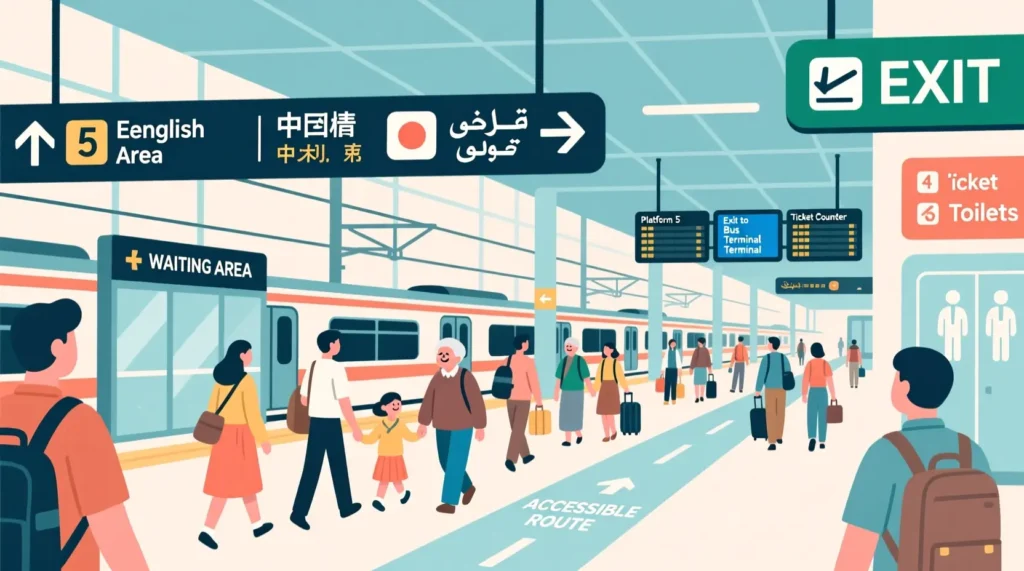
Eki wa Doko Desu Ka? (駅はどこですか?) – Where is the Station?
Crucial for navigating cities.
Use When: Finding a train or subway station.
Example: Sumimasen, eki wa doko desu ka?
Kono Densha wa Tokyo e Ikimasu Ka? (この電車は東京へ行きますか?) – Does This Train Go to Tokyo?
Saves confusion on platforms!
Use When: Confirming your travel direction.
Example: Kono densha wa Tokyo e ikimasu ka?
Chikatetsu (地下鉄) – Subway
A useful word to spot in signs.
Use When: Looking for subway routes or entrances.
Example: Chikatetsu no iriguchi wa doko desu ka? (Where is the subway entrance?)
Tomatte Kudasai (止まってください) – Please Stop
Important for taxis or buses.
Use When: Asking a driver to stop.
Example: Tomatte kudasai! Right here is fine.
Ikura Desu Ka? (いくらですか?) – How Much Is It?
Essential for any purchase.
Use When: Shopping or asking for ticket prices.
Example: Kippu wa ikura desu ka? (How much is the ticket?)
🏨 Hotel and Accommodation Phrases
Yoyaku Shiteimasu (予約しています) – I Have a Reservation
Useful at check-in counters.
Use When: Arriving at your hotel.
Example: Yoyaku shiteimasu, name is Alex.
Wi-Fi Arimasu Ka? (Wi-Fiありますか?) – Is There Wi-Fi?
Modern travelers’ must-ask!
Use When: Checking internet access.
Example: Wi-Fi arimasu ka?
Kagi o Wasuremashita (鍵を忘れました) – I Forgot My Key
Helpful if you lock yourself out.
Use When: Returning to your room.
Example: Sumimasen, kagi o wasuremashita!
Sentaku Kono Hoteru ni Arimasu Ka? (洗濯このホテルにありますか?) – Does This Hotel Have Laundry?
For longer stays.
Use When: Asking about laundry facilities.
Example: Sentaku kono hoteru ni arimasu ka?
🏞️ Sightseeing and Shopping Phrases
Kore wa Nan Desu Ka? (これは何ですか?) – What Is This?
Perfect for curious travelers.
Use When: Exploring shops or museums.
Example: Kore wa nan desu ka? It’s so cute!
Kudasai (ください) – Please Give Me
Short and simple for purchases.
Use When: Asking for something politely.
Example: Kono omiyage kudasai. (Please give me this souvenir.)
Takai Desu (高いです) – It’s Expensive
Useful for shopping comments.
Use When: Reacting to prices.
Example: Takai desu! Can you lower the price?
Kirei Desu Ne (きれいですね) – It’s Beautiful
Great for expressing admiration.
Use When: Complimenting scenery or art.
Example: Fuji-san wa hontou ni kirei desu ne!
🚑 Emergency and Safety Phrases
Tasukete! (助けて!) – Help!
One of the most important phrases.
Use When: In an emergency.
Example: Tasukete! My friend is hurt!
Byouin wa Doko Desu Ka? (病院はどこですか?) – Where Is the Hospital?
Vital for medical emergencies.
Use When: Seeking medical help.
Example: Sumimasen, byouin wa doko desu ka?
Keisatsu (警察) – Police
Know this word for safety.
Use When: Reporting theft or danger.
Example: Keisatsu o yonde kudasai! (Please call the police!)
Daijoubu Desu Ka? (大丈夫ですか?) – Are You Okay?
Shows care and empathy.
Use When: Checking on someone.
Example: Daijoubu desu ka? You look pale.
💬 Everyday Useful Words for Tourists
Hai (はい) – Yes
Iie (いいえ) – No
Wakarimasen (わかりません) – I Don’t Understand
Nihongo Wakarimasen (日本語わかりません) – I Don’t Understand Japanese
Eigo Hanase Masu Ka? (英語話せますか?) – Do You Speak English?
Use When: Communicating politely with locals.
Example: Sumimasen, eigo hanase masu ka?
These simple words can make interactions friendly and smooth wherever you go.
🗂️ Bonus Recap Table
| Category | Phrase | Meaning | Use When | Example |
|---|---|---|---|---|
| Greetings | Arigatou Gozaimasu | Thank you very much | Expressing gratitude | Arigatou gozaimasu for your help! |
| Food | Itadakimasu | Let’s eat | Before eating | Itadakimasu! |
| Transport | Eki wa Doko Desu Ka? | Where is the station? | Asking directions | Eki wa doko desu ka? |
| Hotel | Wi-Fi Arimasu Ka? | Is there Wi-Fi? | Checking internet access | Wi-Fi arimasu ka? |
| Shopping | Kore wa Nan Desu Ka? | What is this? | Exploring markets | Kore wa nan desu ka? |
| Emergency | Tasukete! | Help! | In urgent need | Tasukete! My friend is hurt! |
🌸 Final Thoughts
Learning key Japanese phrases for tourists isn’t just about communication it’s about connection.
Even small efforts can create big smiles and memorable moments.
If you’re lost in Shibuya or ordering sushi in Kyoto, these phrases will make your journey smoother and more meaningful.
Start practicing a few each day before your trip. You’ll feel more confident, and locals will appreciate your effort.

Leave a Reply