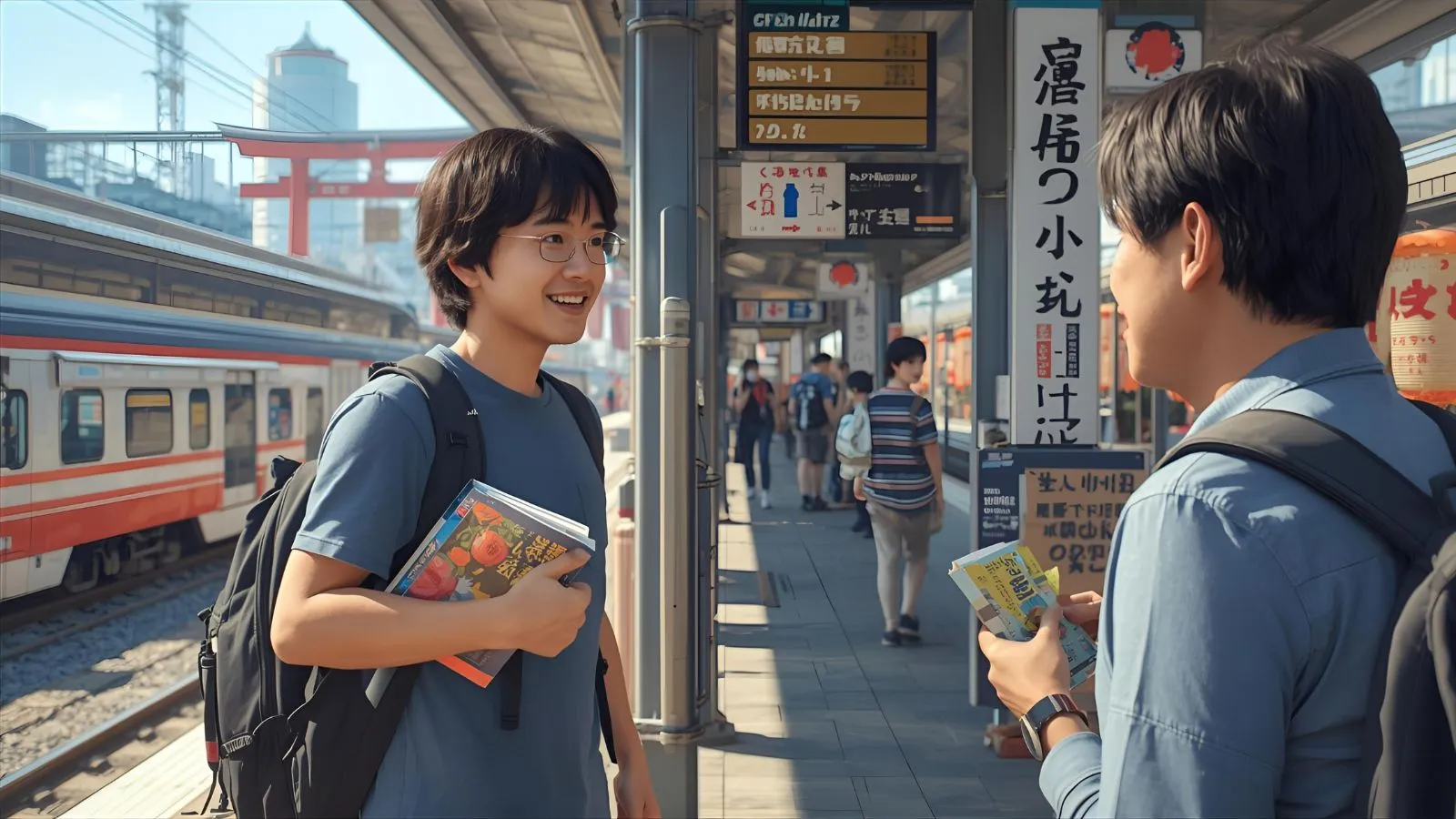
Traveling to Japan is an exciting adventure, full of vibrant culture, delicious food, and stunning sights. But navigating a new country can be intimidating if you don’t know the language. That’s where Japanese phrases for travel come in. Learning a few key expressions can make your trip smoother, more enjoyable, and respectful to locals.
If it’s ordering sushi at a small restaurant, asking for directions, or buying a train ticket, knowing the right phrases helps you connect with people and avoid misunderstandings. Even a simple “thank you” or “excuse me” can leave a lasting positive impression.
In this guide, we’ll break down essential Japanese phrases for travel into categories like greetings, directions, dining, shopping, emergencies, and polite expressions.
By the end, you’ll have a handy toolkit of phrases ready to use on your adventure.
Why It Matters
Knowing basic Japanese phrases is more than just convenience—it’s a sign of respect and helps you navigate everyday situations efficiently.
For example:
- Asking for directions: “すみません、駅はどこですか? (Sumimasen, eki wa doko desu ka?)” means “Excuse me, where is the station?” Using this phrase politely can get you clear directions quickly.
- Ordering food: Saying “これをください (Kore o kudasai)” – “I’ll have this, please” makes dining easier and more enjoyable.
- Expressing gratitude: “ありがとうございます (Arigatou gozaimasu)” – “Thank you very much” shows politeness and earns smiles from locals.
Even simple phrases help avoid confusion, reduce stress, and make interactions smoother. Travelers who speak a little Japanese often have more authentic experiences, from friendly conversations with shopkeepers to easier navigation in crowded cities.
Greetings and Polite Expressions 🙏

1. こんにちは (Konnichiwa)
Explanation: Means “Hello” or “Good afternoon.”
Use When: Meeting someone during the day.
Example: Greeting a shop clerk: “こんにちは! 今日はいかがですか?” (“Hello! How are you today?”)
2. ありがとう (Arigatou)
Explanation: Means “Thank you.”
Use When: Showing appreciation.
Example: After receiving your meal: “ありがとう!” (“Thank you!”)
3. すみません (Sumimasen)
Explanation: Means “Excuse me” or “Sorry.”
Use When: Getting someone’s attention or apologizing.
Example: Asking for directions: “すみません、駅はどこですか?” (“Excuse me, where is the station?”)
4. お願いします (Onegaishimasu)
Explanation: Means “Please” or “I request.”
Use When: Asking for service or ordering food.
Example: “水をお願いします” (“Water, please”)
Asking for Directions 🗺️
1. …はどこですか? (…wa doko desu ka?)
Explanation: Means “Where is …?”
Use When: Looking for a place.
Example: “トイレはどこですか?” (“Where is the restroom?”)
2. まっすぐ行ってください (Massugu itte kudasai)
Explanation: Means “Go straight ahead.”
Use When: Following someone’s directions.
Example: “駅までまっすぐ行ってください” (“Go straight ahead to the station”)
3. 左 / 右 (Hidari / Migi)
Explanation: “Left / Right”
Use When: Directions involve turns.
Example: “左に曲がってください” (“Please turn left”)
Dining Phrases 🍣

1. これをください (Kore o kudasai)
Explanation: Means “I’ll have this, please.”
Use When: Ordering food or drinks.
Example: Pointing at sushi: “これをください” (“I’ll have this, please”)
2. メニューをください (Menyuu o kudasai)
Explanation: Means “Menu, please.”
Use When: Asking for a menu.
Example: Entering a restaurant: “メニューをください”
3. おいしいです (Oishii desu)
Explanation: Means “It’s delicious.”
Use When: Complimenting the food.
Example: “このラーメンはおいしいです!” (“This ramen is delicious!”)
Shopping Phrases 🛍️
1. いくらですか? (Ikura desu ka?)
Explanation: Means “How much is it?”
Use When: Asking the price.
Example: “このバッグはいくらですか?” (“How much is this bag?”)
2. これをください (Kore o kudasai)
Explanation: Means “I’ll take this, please.”
Use When: Purchasing items.
Example: “このお土産をください” (“I’ll take this souvenir, please”)
3. カードで払えますか? (Kaado de haraemasu ka?)
Explanation: Means “Can I pay by card?”
Use When: Paying at stores.
Example: “カードで払えますか?” (“Can I pay by card?”)
Emergency Phrases 🚨
1. 助けてください! (Tasukete kudasai!)
Explanation: Means “Help me, please!”
Use When: In emergencies.
Example: If you’re lost or in danger: “助けてください!”
2. 警察を呼んでください (Keisatsu o yonde kudasai)
Explanation: Means “Call the police, please.”
Use When: Seeking law enforcement assistance.
Example: Witnessing a theft: “警察を呼んでください”
3. 病院はどこですか? (Byouin wa doko desu ka?)
Explanation: Means “Where is the hospital?”
Use When: Needing medical help.
Example: Feeling unwell: “病院はどこですか?”
Numbers and Transportation 🚌
1. 一つ、二つ、三つ… (Hitotsu, Futatsu, Mittsu…)
Explanation: Means “One, two, three…”
Use When: Counting items or tickets.
Example: Buying three tickets: “三つください”
2. 電車はどこですか? (Densha wa doko desu ka?)
Explanation: Means “Where is the train?”
Use When: Navigating stations.
Example: Asking at the station: “電車はどこですか?”
3. この駅で降ります (Kono eki de orimasu)
Explanation: Means “I will get off at this station.”
Use When: Informing staff or clarifying stops.
Example: “この駅で降ります”
Final Thoughts
Learning Japanese phrases for travel makes your journey smoother, safer, and more enjoyable.
Even if you only master a few greetings, dining expressions, and essential questions, your trip will be richer. Practice these phrases, listen to pronunciation guides, and don’t be afraid to speak.
Locals appreciate your effort, and you’ll feel more confident navigating Japan. Start using them on your next adventure!
Bonus Recap Table
| Category | Phrase | Use When | Example Sentence |
|---|---|---|---|
| Greetings 🙏 | こんにちは (Konnichiwa) | Meeting someone | “こんにちは! 今日はいかがですか?” |
| Directions 🗺️ | …はどこですか? | Asking for a location | “トイレはどこですか?” |
| Dining 🍣 | これをください | Ordering food | “これをください” |
| Shopping 🛍️ | いくらですか? | Asking the price | “このバッグはいくらですか?” |
| Emergencies 🚨 | 助けてください! | Seeking help | “助けてください!” |
| Transportation 🚌 | この駅で降ります | Getting off at a station | “この駅で降ります” |

At QuickReply.com, speed meets smart communication! Instantly craft perfect replies, boost engagement, and save time. Your go-to hub for quick, witty, and professional message responses anytime!
Leave a Reply