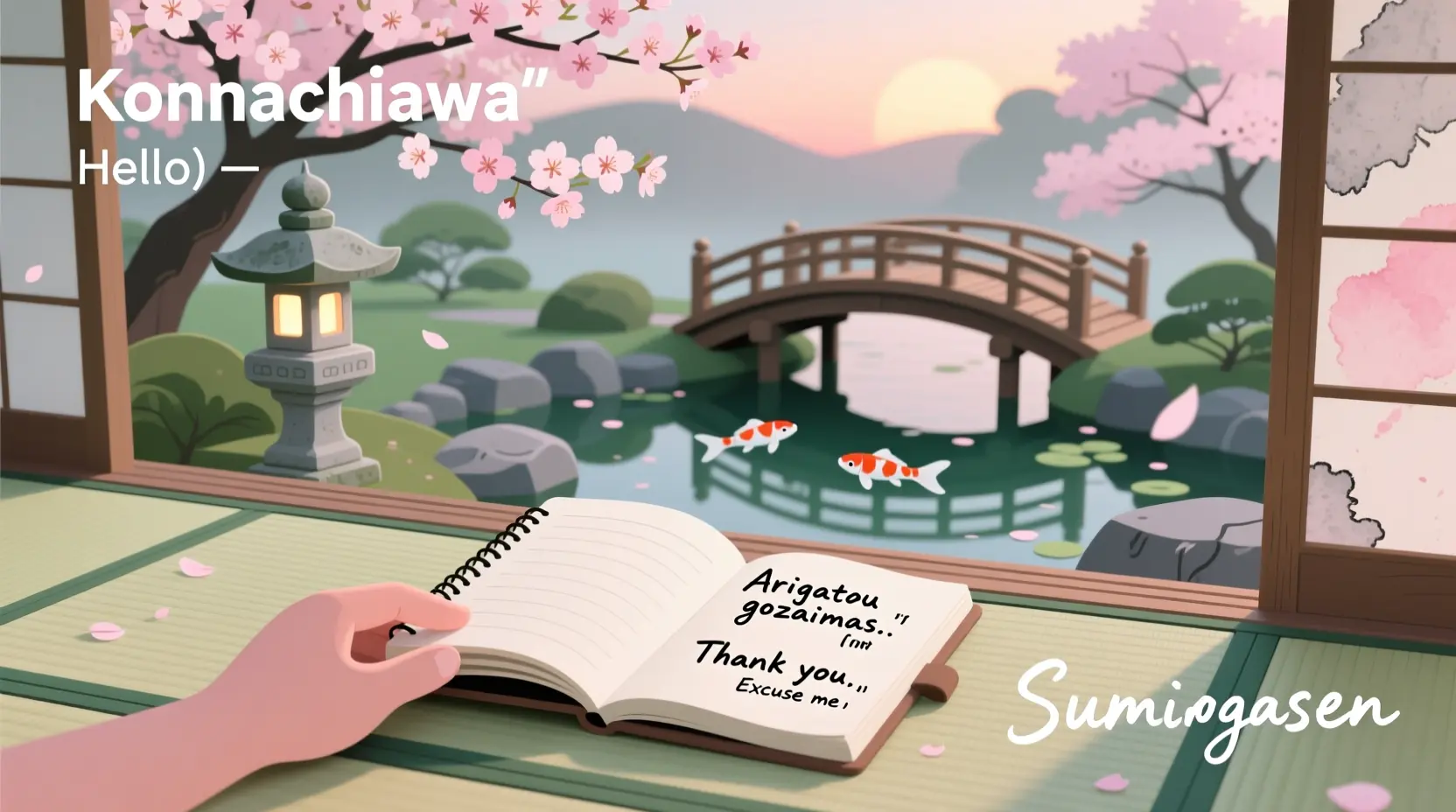
Traveling to Japan is exciting, but language can be a barrier. Japanese phrases for tourists with pronunciation are your key to smooth interactions and memorable experiences.
Whether you’re ordering sushi 🍣, asking for directions 🗺️, or shopping for souvenirs 🎁, knowing how to say things correctly makes everything easier.
Pronunciation matters because even simple words can sound different to native speakers if said incorrectly.
This guide will help you speak confidently, sound polite, and enjoy your trip without relying on gestures or translation apps.
With these phrases, you’ll connect with locals, avoid misunderstandings, and make your journey truly special.
Why It Matters
Learning Japanese phrases for tourists with pronunciation isn’t just a fun trickit’s practical.
Japan is polite and respectful, and using even basic phrases shows gratitude and respect. For example:
- Asking “Sumimasen” before interrupting someone can make locals more willing to help.
- Ordering food correctly avoids confusion and ensures you get what you want.
- Simple greetings like “Ohayou gozaimasu” create a friendly atmosphere.
Greetings & Polite Phrases 🙏
Hello / Good Morning / Goodbye
Hello – Konnichiwa (こんにちは)
- Explanation: Standard daytime greeting.
- Use When: Meeting someone or entering shops.
- Example: “Konnichiwa! Can you help me find the train station?”
Good Morning – Ohayou gozaimasu (おはようございます)
- Explanation: Polite morning greeting.
- Use When: Meeting staff, locals, or hosts in the morning.
- Example: Greeting your hotel receptionist.
Goodbye – Sayounara (さようなら)
- Explanation: Formal farewell.
- Use When: Leaving shops, attractions, or after visiting someone.
- Example: Waving to a new friend after lunch.
Excuse Me / Thank You
Excuse Me – Sumimasen (すみません)
- Explanation: Polite attention-getter or apology.
- Use When: Asking for help, bumping into someone, or calling a waiter.
- Example: “Sumimasen, where is the nearest station?”
Thank You – Arigatou gozaimasu (ありがとうございます)
- Explanation: Polite way to say thank you.
- Use When: Receiving help or service.
- Example: After your sushi order is served.
Asking for Directions 🗺️

Common Travel Questions
Where is…? – … wa doko desu ka? (…はどこですか?)
- Explanation: Standard way to ask locations.
- Use When: Searching for landmarks, stations, or attractions.
- Example: “Tokyo Tower wa doko desu ka?”
How to get to… – … e douyatte ikimasu ka? (…へどうやって行きますか?)
- Explanation: Asking for directions with transport.
- Use When: Using trains, buses, or walking.
- Example: “Shinjuku e douyatte ikimasu ka?”
Is it far? – Tooku arimasu ka? (遠くありますか?)
- Explanation: Asking distance politely.
- Use When: Estimating walking or transit time.
- Example: “Asakusa wa tooku arimasu ka?”
Dining & Food 🍣
Ordering & Eating Out
Menu, please – Menyuu o kudasai (メニューをください)
- Explanation: Requesting the menu politely.
- Use When: Entering a restaurant or café.
- Example: “Sumimasen, menyuu o kudasai.”
I’ll have this – Kore o onegaishimasu (これをお願いします)
- Explanation: Choosing a menu item.
- Use When: Pointing at food or drink.
- Example: “Kore o onegaishimasu.”
Check, please – O-kaikei onegaishimasu (お会計お願いします)
- Explanation: Asking for the bill politely.
- Use When: Leaving the restaurant.
- Example: “O-kaikei onegaishimasu.”
Shopping & Bargaining 🛍️
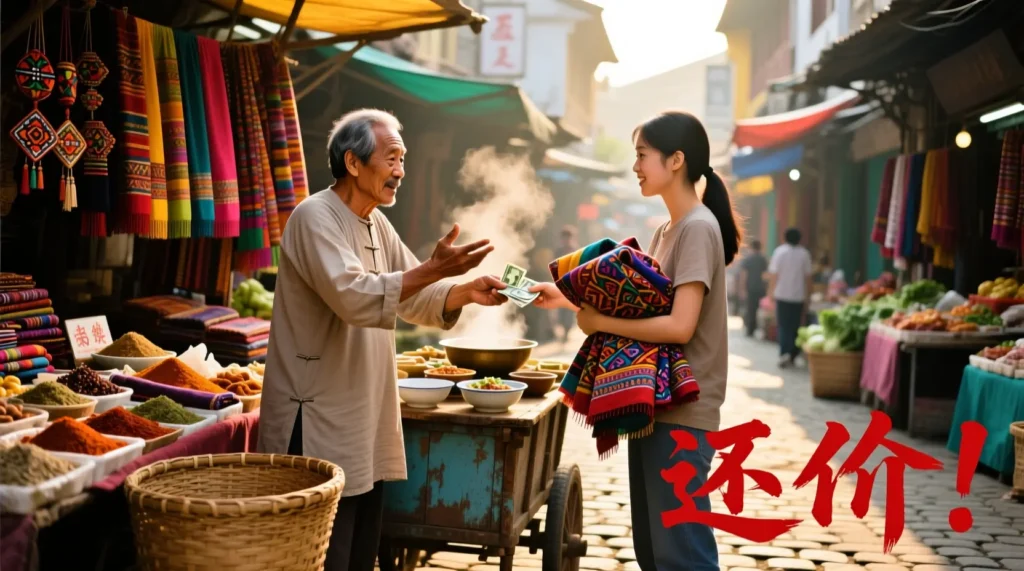
Buying & Asking Prices
How much is this? – Kore wa ikura desu ka? (これはいくらですか?)
- Explanation: Standard price inquiry.
- Use When: Shopping in stores, markets, or souvenir shops.
- Example: “Kore wa ikura desu ka?”
I want this – Kore ga hoshii desu (これが欲しいです)
- Explanation: Expressing your desire to buy.
- Use When: Picking an item confidently.
- Example: “Kore ga hoshii desu.”
Can you give a discount? – Makete kudasai (まけてください)
- Explanation: Polite way to ask for a discount.
- Use When: Small markets or souvenir shops.
- Example: “Makete kudasai, onegaishimasu.”
Transportation 🚆
Trains, Buses, Taxis
One ticket to… – … made no kippu o kudasai (…までの切符をください)
- Explanation: Buying a ticket for a destination.
- Use When: Using public transport.
- Example: “Shibuya made no kippu o kudasai.”
Where is the station? – Eki wa doko desu ka? (駅はどこですか?)
- Explanation: Asking for the nearest station.
- Use When: Walking in a city or traveling by train.
- Example: “Sumimasen, eki wa doko desu ka?”
Please stop here – Koko de tomete kudasai (ここで止めてください)
- Explanation: Telling a driver where to stop.
- Use When: Taxi rides or bus trips.
- Example: “Koko de tomete kudasai.”
Emergencies & Help 🆘
Safety & Assistance
Help! – Tasukete! (助けて!)
- Explanation: Urgent call for help.
- Use When: In emergencies or danger.
- Example: In case of injury or accident.
Call the police – Keisatsu o yonde kudasai (警察を呼んでください)
- Explanation: Asking for police assistance.
- Use When: Lost or in trouble.
- Example: “Keisatsu o yonde kudasai!”
I’m lost – Michi ni mayotte shimaimashita (道に迷ってしまいました)
- Explanation: Explaining that you’re lost politely.
- Use When: Asking for directions or help from locals.
- Example: “Sumimasen, michi ni mayotte shimaimashita.”
Bonus Recap Table 📝
| Category | Phrase (Romaji) | Use When / Example |
|---|---|---|
| Greetings | Konnichiwa, Ohayou gozaimasu | Meeting someone |
| Polite Phrases | Sumimasen, Arigatou gozaimasu | Asking for help / Thanking |
| Directions | … wa doko desu ka? | Asking for location |
| Dining | Kore o onegaishimasu | Ordering food |
| Shopping | Kore wa ikura desu ka? | Asking price |
| Transportation | … made no kippu o kudasai | Buying tickets / Taxi stops |
| Emergencies | Tasukete! | Asking for urgent help |
Final Thoughts
Learning Japanese phrases for tourists with pronunciation is more than memorizing words it’s a gateway to culture, respect, and smoother travel.
Start with greetings, polite phrases, and essential travel questions.
Practice pronunciation aloud, use gestures if needed, and don’t worry about perfection.
Locals appreciate effort, and even a few words can make a huge difference in your experience.

Leave a Reply