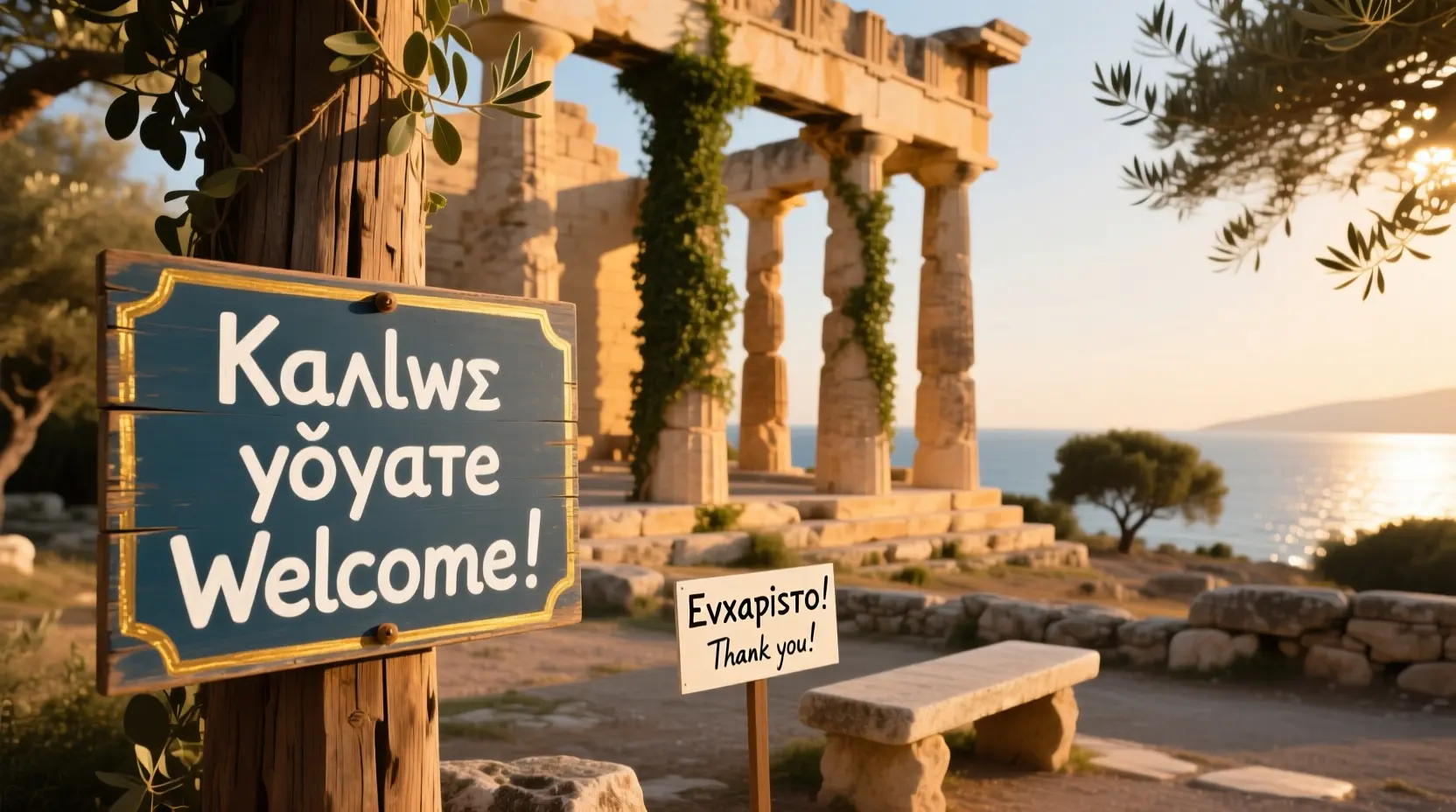
Traveling to Greece is exciting. The blue water, white buildings, warm streets, and friendly people make every trip feel magical.
But as a tourist, one thing can make your journey even better learning Greek phrases for tourists.
These are simple, everyday words and expressions that help you talk to locals, ask for help, order food, shop, and enjoy Greek culture more deeply.
Many visitors think everyone in Greece speaks English. While many do, speaking a little Greek shows respect.
This guide gives you all the phrases you need easy, clear, and perfect for real travel situations.
With these words, your trip to Greece becomes smoother, friendlier, and more fun.
Why It Matters
Learning greek phrases for tourists matters for many reasons. First, it helps you communicate quickly in common situations like asking for directions, greeting people, or ordering food.
Even if you speak very little Greek, trying a few words often leads to better service and warm reactions.
Second, Greek culture values kindness and hospitality.
When you make an effort to speak the language, locals appreciate it. It shows respect and interest in their traditions.
Finally, learning basic Greek phrases for tourists makes your trip more meaningful. You don’t just visit Greece you experience it.
You join conversations, understand signs, and feel more connected.
Everyday Greetings and Polite Phrases 🤝

Kaliméra (Good morning)
Explanation: A friendly greeting used until noon.
Use When: Starting your day, entering a shop, or greeting people at your hotel.
Example: You enter a café early and say, “Kaliméra!” The staff smiles and answers warmly.
Kalispéra (Good evening)
Explanation: A common evening greeting used after sunset.
Use When: Walking into restaurants or meeting locals at night.
Example: At dinner you say, “Kalispéra,” and the waiter welcomes you kindly.
Efharistó (Thank you)
Explanation: A simple but powerful word that shows gratitude.
Use When: After getting directions, service, or help.
Example: After receiving your meal, you say, “Efharistó!”
Parakaló (Please / You’re welcome)
Explanation: A polite word with two meanings—makes requests softer and replies to “thank you.”
Use When: Asking for something nicely.
Example: “Water, parakaló.”
Yássas (Hello / Goodbye – polite form)
Explanation: Friendly, safe for talking to strangers or groups.
Use When: Greeting shop owners or locals.
Example: While entering a small store: “Yássas!”
Food and Restaurant Phrases 🍽️
To menú, parakaló (The menu, please)
Explanation: Ask for the menu in a polite way.
Use When: Sitting in a taverna or café.
Example: “To menú, parakaló.”
Tha íthela… (I would like…)
Explanation: Use this to order food or drinks.
Use When: Ordering politely.
Example: “Tha íthela moussaká.”
Neró, parakaló (Water, please)
Explanation: Simple and super useful.
Use When: Asking for bottled or tap water.
Example: “Neró, parakaló.”
Logariasmó, parakaló (The bill, please)
Explanation: Your essential phrase for finishing your meal.
Use When: Ready to pay.
Example: You gesture slightly and say, “Logariasmó, parakaló.”
Eínai nóstimo! (It’s delicious!)
Explanation: Greeks love compliments on food.
Use When: After tasting great dishes.
Example: You smile and say, “Eínai nóstimo!”
Shopping and Market Phrases 🛍️
Póso kostízei? (How much is it?)
Explanation: Helps you check prices anywhere.
Use When: Buying souvenirs or asking about items.
Example: Point to a bracelet: “Póso kostízei?”
Bóro na do? (Can I see?)
Explanation: Ask to take a closer look at items.
Use When: Browsing shops or markets.
Example: “Bóro na do aftó?”
Éhete allo mégethos? (Do you have another size?)
Explanation: Useful for clothes and shoes.
Use When: Shopping for wearables.
Example: “Éhete allo mégethos?”
Tha to páro (I’ll take it)
Explanation: Use when you’re ready to buy.
Use When: Final choice made.
Example: “Tha to páro,” with a smile.
Transportation and Directions 🚆🗺️
Poú eínai…? (Where is…?)
Explanation: Helps you find streets, stops, or landmarks.
Use When: Lost or unsure.
Example: “Poú eínai to limáni?” (Where is the port?)
Aristerá / Dexiá (Left / Right)
Explanation: Key words for directions.
Use When: Someone guides you.
Example: They say, “Aristerá kai metá dexiá.”
Stási leoforíou (Bus stop)
Explanation: Useful for Greek transport.
Use When: Asking locals.
Example: “Poú eínai i stási leoforíou?”
Táksi parakaló (Taxi, please)
Explanation: When you need a quick ride.
Use When: In busy areas or late at night.
Example: “Táksi parakaló.”
Eímai turista (I am a tourist)
Explanation: Helps locals understand your needs.
Use When: Asking for clear instructions.
Example: “Eímai turista, boíthiste parakaló.”
Emergency and Safety Phrases 🚑
Voítheia! (Help!)
Explanation: A strong call for emergencies.
Use When: Someone needs quick support.
Example: You shout, “Voítheia!” for attention.
Hástika parakaló (Urgently, please)
Explanation: Shows you need fast help.
Use When: Medical or time-sensitive issues.
Example: “Chriázetai iatró, hástika parakaló.”
Póno (I’m hurt / It hurts)
Explanation: Simple phrase to explain pain.
Use When: At clinics or hospitals.
Example: “Póno edo,” while pointing.
Cháthika (I’m lost)
Explanation: Lets others know you need guidance.
Use When: Confusing streets or islands.
Example: “Cháthika, poú na páo?”
Échasa to paspórto mou (I lost my passport)
Explanation: A critical phrase for emergencies.
Use When: At police stations or embassies.
Example: “Échasa to paspórto mou.”
Hotel and Accommodation Phrases 🏨

Écho krátisī (I have a reservation)
Explanation: The first phrase you use at check-in.
Use When: Entering a hotel.
Example: “Écho krátisī sto ónoma Smith.”
Mporo na écho…? (Can I have…?)
Explanation: Ask for services or items.
Use When: Asking for towels or keys.
Example: “Mporo na écho perissóteres petsetes?”
Yπárchei Wi-Fi? (Is there Wi-Fi?)
Explanation: For internet connection.
Use When: Checking in or inside your room.
Example: “Ypárchei Wi-Fi?”
To domátio mou (My room)
Explanation: Helps with room issues.
Use When: Talking to staff.
Example: “To domátio mou den anoígei.”
Ti óra eínai to prōinó? (What time is breakfast?)
Explanation: Key question for planning your day.
Use When: At check-in.
Example: “Ti óra eínai to prōinó?”
Culture and Social Phrases 🎭
Yamas! (Cheers!)
Explanation: Used during a toast.
Use When: Drinking with friends.
Example: Lift your glass and say, “Yamas!”
Sigharéteria! (Congratulations!)
Explanation: Celebratory and friendly.
Use When: Weddings or special events.
Example: “Sigharéteria gia to gamó!”
Orea! (Great!)
Explanation: Positive reaction.
Use When: Responding happily.
Example: “Orea, efharistó!”
Ti óra eínai? (What time is it?)
Explanation: Everyday social question.
Use When: Planning your day.
Example: “Ti óra eínai?”
Kiría / Kírie (Ma’am / Sir)
Explanation: Very polite address.
Use When: Speaking with older locals.
Example: “Signómi, kírie…”
Bonus Recap Table
| Category | Phrase | Meaning | Example Use |
|---|---|---|---|
| Greetings | Kaliméra | Good morning | Entering a shop |
| Food | Logariasmó, parakaló | Bill please | After a meal |
| Shopping | Póso kostízei? | How much is it? | Buying souvenirs |
| Transport | Poú eínai…? | Where is…? | Asking directions |
| Emergency | Voítheia! | Help! | Urgent situation |
| Hotel | Écho krátisī | I have a reservation | At check-in |
| Social | Yamas! | Cheers! | Toasting |
Final Thoughts
In conclusion, learning greek phrases for tourists makes your trip smoother, warmer, and much more memorable.
These simple words help you talk to locals, find your way, order tasty food, and enjoy Greek culture with confidence.
You don’t need to be perfect. Even small attempts bring big smiles and better travel experiences.
Your trip to Greece becomes richer when you speak even a little of the language.
So pack your bags, learn a few lines, and enjoy the beauty of Greece one phrase at a time.

Leave a Reply