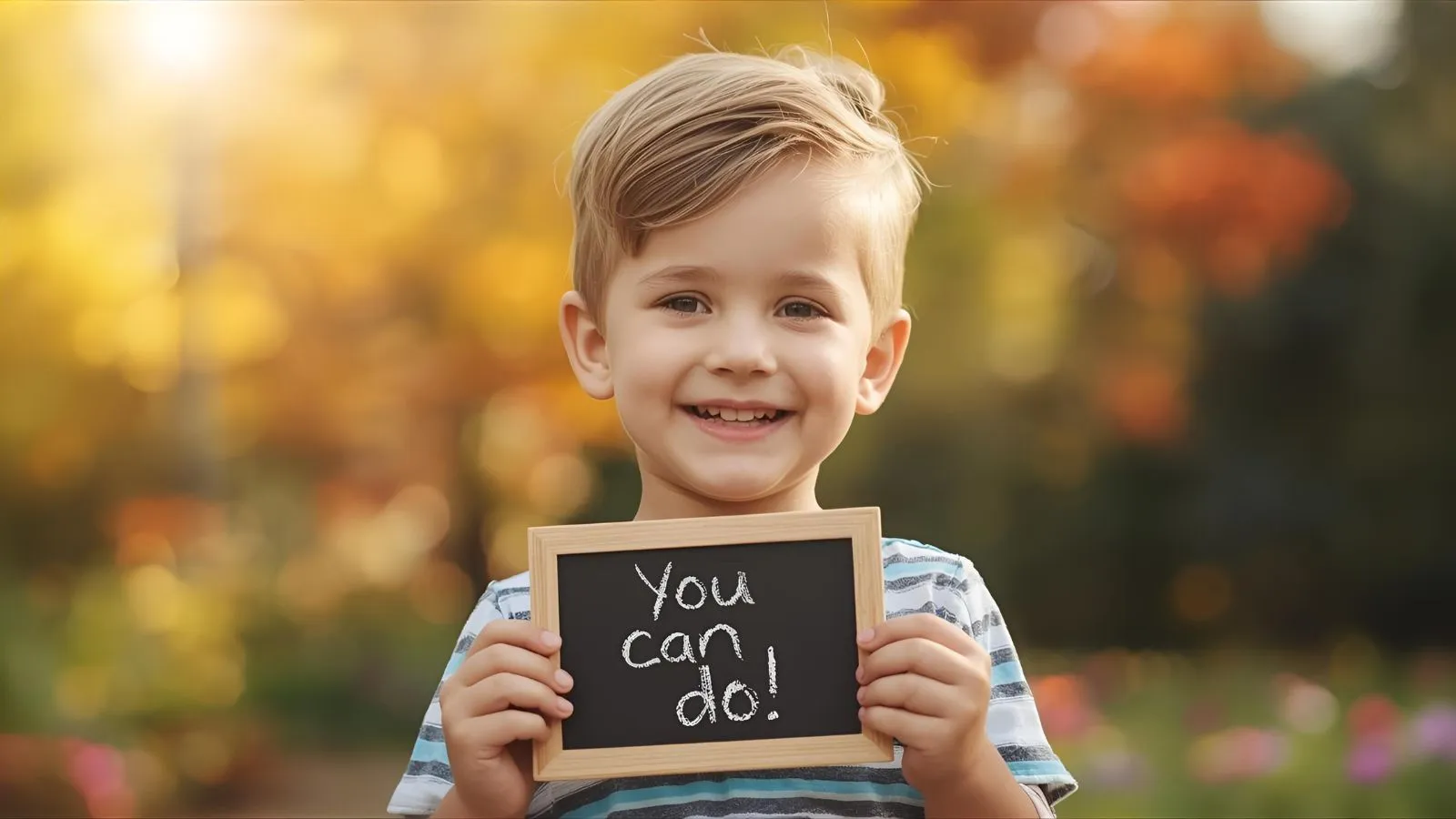
You know, when we talk to kids, our words have a real impact — they can either lift them up or make them doubt themselves.
That’s why using encouraging phrases is so important. Kids look to us — parents, teachers, or even older siblings — for support and confidence. The way we respond when they try, struggle, or succeed shapes how they see themselves.
So today, let’s talk like we’re sitting together and thinking about how to make kids feel seen, valued, and motivated through simple, positive words — phrases that tell them “you’ve got this” and help them keep going even when things get tough.
Why It Matters 💬
Words shape how kids see themselves and the world. When children hear encouraging phrases regularly, they start to develop a strong sense of self-worth and resilience.
For example:
- A child struggling with homework might give up easily. But when you say, “I can see how hard you’re trying,” they learn effort is valuable.
- When a child feels nervous before a game or test, saying “You’ve got this!” boosts their courage instantly.
Using encouraging phrases for kids helps in three major ways:
- Builds confidence: Children believe in their ability to learn and grow.
- Develops emotional strength: They handle challenges with positivity.
- Strengthens relationships: Kids feel seen, heard, and loved.
Let’s explore some easy-to-use categories of phrases you can say anytime — at home, in the classroom, or during playtime!
1. Encouraging Effort and Perseverance 💪

Teaching kids to value effort over perfection helps them keep trying, even when things get tough.
1. “I love how hard you’re working.”
Explanation: Focuses on their effort, not just the result.
Use When: They’re working on something challenging.
Example: “I love how hard you’re working on your drawing—it’s really coming along!”
2. “You’re getting better every day.”
Explanation: Reminds kids that progress takes time.
Use When: They’re practicing a new skill.
Example: “Your reading has improved so much—you’re getting better every day!”
3. “Keep trying, you’re doing great!”
Explanation: Motivates kids to stay persistent.
Use When: They feel frustrated or want to give up.
Example: “I know this puzzle is tricky, but keep trying—you’re doing great!”
2. Building Confidence and Self-Belief 🌈

Kids need to believe in their own abilities. These encouraging phrases for kids help them see their potential.
1. “I believe in you.”
Explanation: Builds trust and confidence.
Use When: They doubt themselves before a challenge.
Example: “You can do this—I believe in you.”
2. “You are capable of amazing things.”
Explanation: Encourages a growth mindset.
Use When: They’re nervous to try something new.
Example: “Don’t worry about making mistakes—you’re capable of amazing things!”
3. “You make a difference.”
Explanation: Teaches that their actions matter.
Use When: They do something helpful or kind.
Example: “You made your friend smile today—you really make a difference.”
3. Praising Kindness and Empathy 💖
Encouraging kindness helps kids grow emotionally intelligent and caring toward others.
1. “That was so thoughtful of you.”
Explanation: Recognizes empathy and compassion.
Use When: They share, help, or show understanding.
Example: “You gave your toy to your friend—that was so thoughtful of you.”
2. “You have such a kind heart.”
Explanation: Reinforces inner goodness.
Use When: They act selflessly.
Example: “You comforted your classmate when they were sad—you have such a kind heart.”
3. “I love how you care about others.”
Explanation: Celebrates their empathy.
Use When: They go out of their way to help.
Example: “You helped your sister with her homework—I love how you care about others.”
4. Encouraging Learning and Curiosity 📚

Kids are naturally curious—nurture that curiosity with positive words that make learning exciting!
1. “That’s a great question!”
Explanation: Encourages curiosity and exploration.
Use When: They ask “why” or “how.”
Example: “That’s a great question—let’s figure out the answer together!”
2. “I love how you think.”
Explanation: Praises creative and critical thinking.
Use When: They come up with ideas or solutions.
Example: “I love how you think outside the box—what a smart idea!”
3. “Learning new things takes courage.”
Explanation: Reminds them that learning can be brave.
Use When: They’re struggling with new material.
Example: “You tried your best in math today—learning new things takes courage.”
5. Handling Mistakes and Failure Positively 💡
Mistakes are opportunities for growth. These phrases teach kids to embrace challenges rather than fear them.
1. “Mistakes help you learn.”
Explanation: Normalizes errors as part of growth.
Use When: They’re upset about doing something wrong.
Example: “It’s okay if it didn’t work out—mistakes help you learn.”
2. “Everyone makes mistakes—it’s how we grow.”
Explanation: Builds resilience and patience.
Use When: They feel embarrassed about failing.
Example: “Don’t worry, everyone makes mistakes—it’s how we grow!”
3. “I’m proud of you for trying.”
Explanation: Focuses on effort, not success.
Use When: They didn’t succeed but gave effort.
Example: “You didn’t win, but I’m proud of you for trying your best.”
6. Encouraging Independence and Responsibility 🧭
Helping kids feel capable of making their own choices builds responsibility and independence.
1. “You handled that all by yourself!”
Explanation: Praises independence.
Use When: They complete a task alone.
Example: “You packed your backpack all by yourself—great job!”
2. “I trust your judgment.”
Explanation: Builds self-reliance.
Use When: Allowing them to make a decision.
Example: “You chose a good way to solve that problem—I trust your judgment.”
3. “You’re learning to take care of yourself.”
Explanation: Encourages personal growth.
Use When: They show responsibility.
Example: “You brushed your teeth without me reminding you—you’re learning to take care of yourself!”
7. Encouraging Teamwork and Cooperation 🤝

Teamwork teaches kids about communication, empathy, and compromise.
1. “You’re a great teammate.”
Explanation: Promotes collaboration.
Use When: They help or work with others.
Example: “You listened and shared ideas—you’re a great teammate!”
2. “You helped make that happen!”
Explanation: Highlights group effort.
Use When: Working in a team.
Example: “Your idea helped the group succeed—you helped make that happen.”
3. “You make teamwork fun.”
Explanation: Encourages positive participation.
Use When: They contribute joyfully.
Example: “You always make teamwork fun—everyone enjoys working with you!”
8. Everyday Encouragement 💬
Sometimes, kids just need small reminders that they’re loved and valued daily.
1. “You make me smile.”
Explanation: Builds emotional connection.
Use When: Any time of day.
Example: “You make me smile every morning—you’re such a joy.”
2. “I’m lucky to be your parent/teacher.”
Explanation: Boosts their sense of belonging.
Use When: Randomly, to express appreciation.
Example: “I’m lucky to be your parent—you make life brighter.”
3. “You make today better.”
Explanation: Reinforces positivity and self-worth.
Use When: They brighten someone’s day.
Example: “You helped cheer everyone up—you make today better!”
Final Thoughts 🌟
Using encouraging phrases for kids daily can completely transform how children see themselves. Whether you’re a parent, teacher, or coach, your words can build a child’s confidence, shape their mindset, and strengthen your bond.
Remember, the key is consistency—keep your words genuine and focused on effort, kindness, and growth. Over time, kids begin to repeat these encouraging thoughts to themselves, creating lifelong confidence and resilience.
Bonus Recap Table 📋
| Category | Phrase Example | Use When | Example Sentence |
|---|---|---|---|
| Effort & Perseverance 💪 | “Keep trying, you’re doing great!” | When child feels stuck | “I know it’s tricky—keep trying!” |
| Confidence 🌈 | “I believe in you.” | Before a big task | “You can do it—I believe in you.” |
| Kindness 💖 | “You have such a kind heart.” | After helping others | “You helped your friend—that was kind.” |
| Learning & Curiosity 📚 | “That’s a great question!” | When they ask something new | “Let’s find the answer together.” |
| Handling Mistakes 💡 | “Mistakes help you learn.” | After failure or error | “It’s okay, mistakes help us grow.” |
| Independence 🧭 | “You handled that yourself!” | When they complete a task alone | “You did it all by yourself!” |
| Teamwork 🤝 | “You’re a great teammate.” | During group activities | “You really helped your team.” |
| Everyday Encouragement 💬 | “You make me smile.” | Anytime, to show love | “You always make me smile!” |

At QuickReply.com, speed meets smart communication! Instantly craft perfect replies, boost engagement, and save time. Your go-to hub for quick, witty, and professional message responses anytime!
Leave a Reply