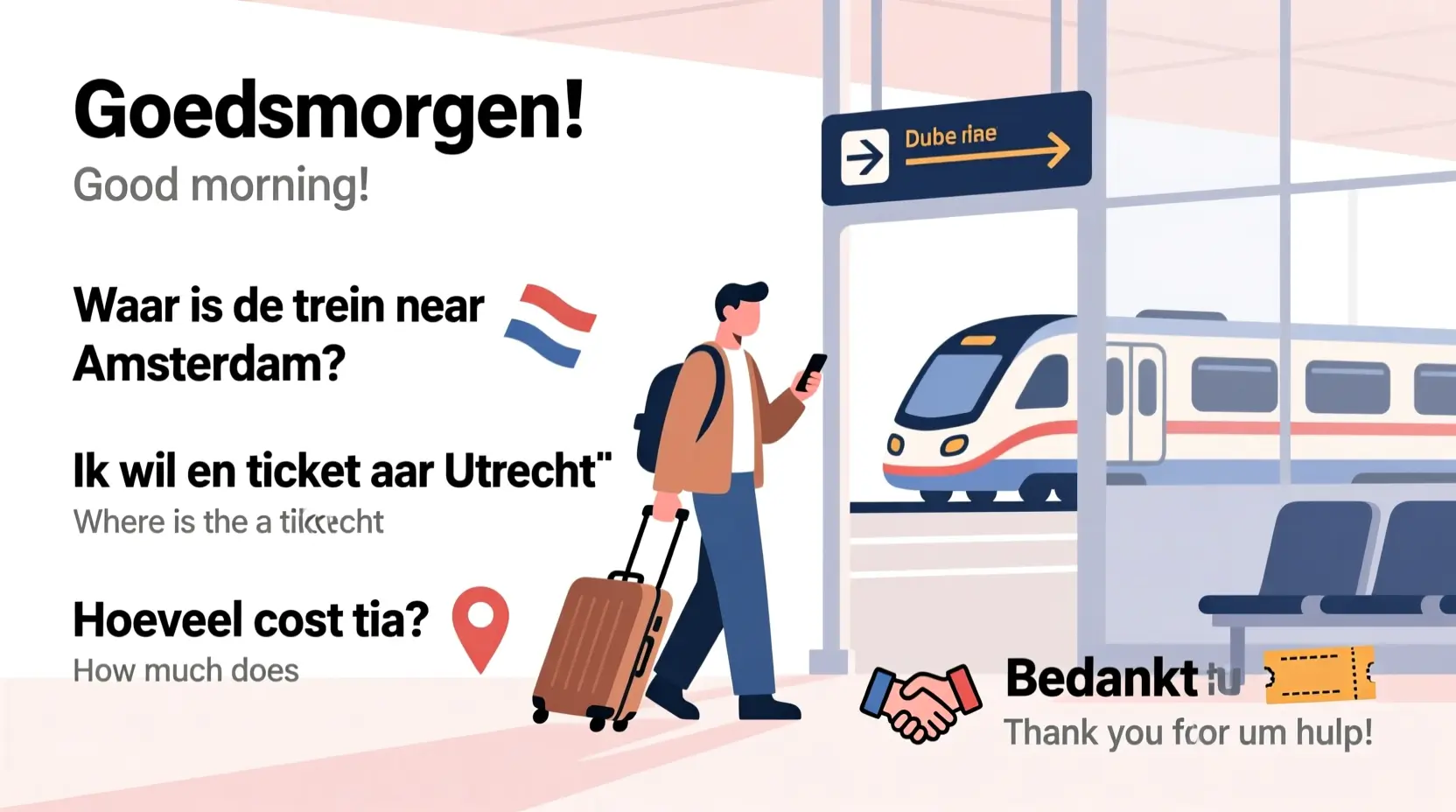
Traveling to the Netherlands is exciting, colorful, and full of warm people and charming cities. But one thing makes your trip even better: knowing a few Dutch phrases for travel.
These small bits of language help you feel more confident, connect with locals, and move smoothly wherever you go.
When you know how to greet someone, ask a simple question, or say thank you, people appreciate your effort.
Whether you’re exploring Amsterdam’s canals, biking through Rotterdam, or tasting stroopwafels in Utrecht, these phrases make your journey easier.
This guide breaks everything into simple categories, explains when to use each phrase, and gives quick examples to help you remember.
Let’s make your trip smoother, your conversations easier, and your travel moments more meaningful.
Why It Matters 🤔
Learning Dutch phrases for travel is not just about language. It’s about experience.
Here are a few real-world examples:
A traveler says “Dank je wel” (thank you) at a café. The server smiles, chats a bit, and gives a warm farewell.
Someone asks “Waar is het station?” (Where is the station?) while looking confused. A stranger kindly walks them halfway there.
You greet a shopkeeper with “Goedemorgen!” They respond cheerfully, and the interaction feels friendlier.
Knowing basic Dutch makes you feel more at home. It reduces stress, helps you get around faster, and makes your experience richer. It’s simple, helpful, and fun to learn.
Essential Greeting Phrases 🙋♂️🙋♀️
Goedemorgen
Explanation: This means Good morning. Dutch people love polite greetings, so this one is perfect when starting your day.
Use When: Entering a shop, hotel, or breakfast spot.
Example: You walk into a bakery and say, “Goedemorgen!” The baker smiles and welcomes you warmly.
Goedemiddag
Explanation: This means Good afternoon. Easy and friendly.
Use When: Greeting someone after noon.
Example: You approach a tour desk and say, “Goedemiddag, ik heb een vraag.”
Goedenavond
Explanation: This means Good evening. It’s polite and gentle.
Use When: Arriving at restaurants or hotels in the evening.
Example: You greet the host with, “Goedenavond, hebben jullie een tafel voor twee?”
Hallo
Explanation: Simply Hello, casual and friendly.
Use When: Anytime, anywhere.
Example: You say “Hallo!” when meeting your bike rental guide.
Hoe gaat het?
Explanation: Means How are you?
Use When: Being friendly with someone you’ve been talking to.
Example: “Hallo, hoe gaat het?” at a small shop.
Travel & Direction Phrases 🧭
Waar is…?
Explanation: Means Where is…?
Use When: Asking for directions.
Example: “Waar is het museum?”
Ik ben verdwaald
Explanation: Means I am lost.
Use When: You can’t find your way.
Example: You stop a cyclist and say, “Sorry, ik ben verdwaald.”
Rechts / Links
Explanation: Right / Left.
Use When: Someone is helping you navigate.
Example: A local tells you, “Ga rechts bij het licht.”
Het station
Explanation: Means The station.
Use When: Asking for public transport directions.
Example: “Waar is het station?”
Hoe ver is het?
Explanation: Means How far is it?
Use When: Checking walking distance.
Example: “Hoe ver is het naar de markt?”
Shopping & Market Phrases 🛍️
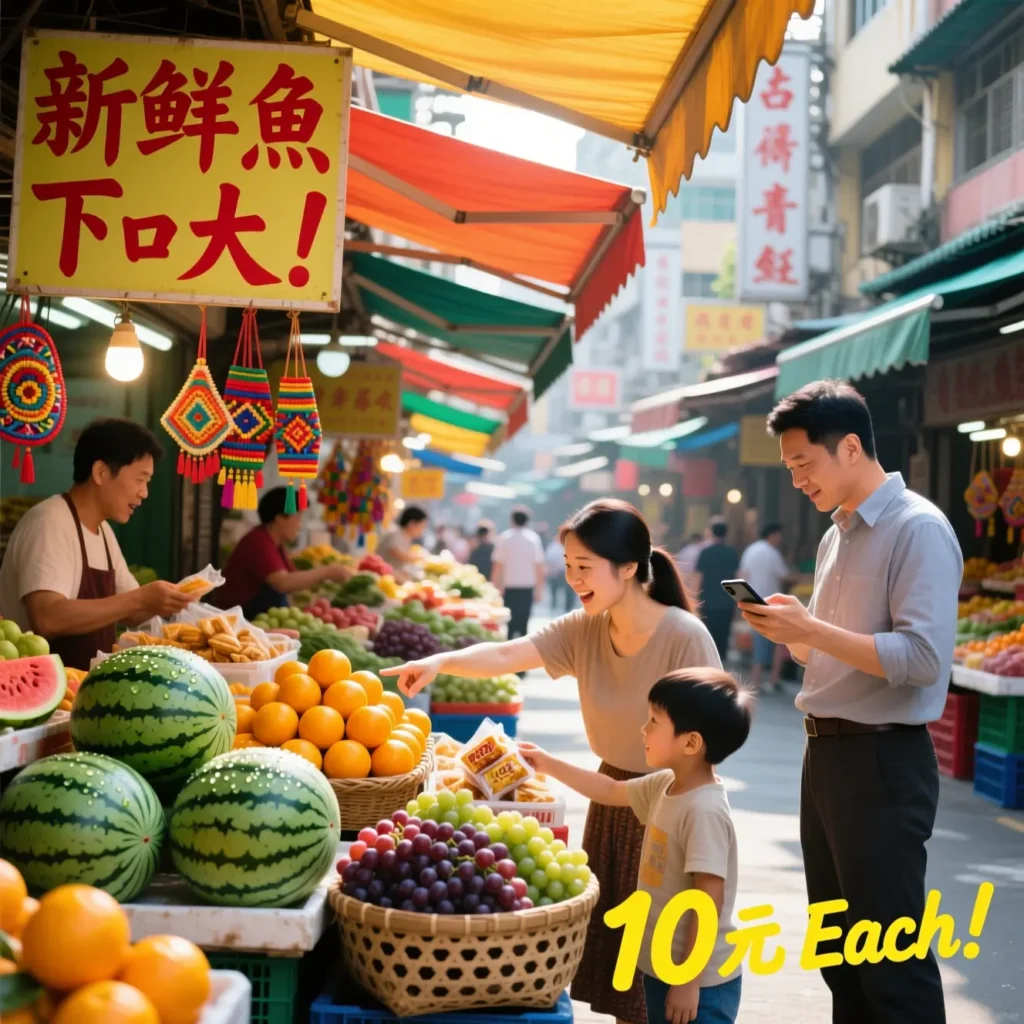
Hoeveel kost dit?
Explanation: Means How much does this cost?
Use When: Buying souvenirs, clothes, or snacks.
Example: “Hoeveel kost dit sjaaltje?”
Mag ik dit passen?
Explanation: Means May I try this on?
Use When: In clothing stores.
Example: “Mag ik dit passen?” at a boutique.
Heeft u iets goedkoper?
Explanation: Do you have something cheaper? Polite and simple.
Use When: Budget shopping.
Example: “Heeft u iets goedkoper?” at a flea market.
Ik kijk alleen
Explanation: Means I’m just looking.
Use When: Avoiding pressure while shopping.
Example: “Dank u, ik kijk alleen.”
Tas nodig?
Explanation: Means Need a bag? You’ll hear it often.
Use When: At checkout.
Example: Cashier asks “Tas nodig?” You respond “Ja, graag.”
Food & Restaurant Phrases 🍽️
Mag ik de menukaart?
Explanation: Means May I have the menu?
Use When: Sitting at a café or restaurant.
Example: “Mag ik de menukaart, alstublieft?”
Ik wil bestellen
Explanation: Means I’d like to order.
Use When: Ready to place your order.
Example: You tell your waiter, “Ik wil bestellen.”
Heeft u vegetarische opties?
Explanation: Do you have vegetarian options?
Use When: Checking menu choices.
Example: “Heeft u vegetarische opties?” before ordering.
De rekening, alstublieft
Explanation: Means The bill, please.
Use When: Finishing your meal.
Example: “De rekening, alstublieft.”
Heel lekker!
Explanation: Means Very tasty!
Use When: Complimenting the food.
Example: “Heel lekker!” after dessert.
Emergency & help

Help!
Explanation: Simple and universal.
Use When: Serious danger.
Example: “Help!” if you fall or need urgent assistance.
Ik heb hulp nodig
Explanation: Means I need help.
Use When: Non-urgent but important help.
Example: “Ik heb hulp nodig, mijn telefoon werkt niet.”
Bel de politie
Explanation: Means Call the police.
Use When: A security issue occurs.
Example: “Bel de politie, alsjeblieft.”
Ik ben gewond
Explanation: Means I am injured.
Use When: Physical accidents.
Example: “Ik ben gewond, waar is een dokter?”
Is er een apotheek?
Explanation: Means Is there a pharmacy?
Use When: Needing medicine.
Example: “Is er een apotheek hier dichtbij?”
Hotel & Accommodation Phrases 🏨
Ik heb een reservering
Explanation: Means I have a reservation.
Use When: Checking in.
Example: “Hallo, ik heb een reservering onder mijn naam.”
Waar is mijn kamer?
Explanation: Means Where is my room?
Use When: Finding your room.
Example: “Waar is mijn kamer, alstublieft?”
Kunt u dit herhalen?
Explanation: Means Can you repeat that?
Use When: The receptionist speaks too fast.
Example: “Kunt u dit herhalen? Ik begrijp het niet.”
Is er wifi?
Explanation: Means Is there WiFi?
Use When: Asking for internet details.
Example: “Is er wifi in de kamer?”
Hoe laat is het ontbijt?
Explanation: Means What time is breakfast?
Use When: Planning your morning.
Example: “Hoe laat is het ontbijt?”
Basic Courtesy Phrases ❤️
Dank je wel / Dank u wel
Explanation: Means Thank you (casual / polite).
Use When: Anytime someone helps you.
Example: “Dank u wel voor uw hulp.”
Alsjeblieft / Alstublieft
Explanation: Means Please or Here you go.
Use When: Being polite in any situation.
Example: “Een koffie, alstublieft.”
Sorry
Explanation: Means Sorry or Excuse me.
Use When: Getting someone’s attention or apologizing.
Example: “Sorry, mag ik er langs?”
Tot ziens
Explanation: Means Goodbye / See you.
Use When: Leaving a store or restaurant.
Example: “Tot ziens!” with a smile.
Geen probleem
Explanation: Means No problem.
Use When: When someone thanks you.
Example: A traveler says thanks, you say, “Geen probleem!”
Bonus Recap Table 📘
| Category | Phrase | Meaning | Example |
|---|---|---|---|
| Greetings | Goedemorgen | Good morning | Saying hello at a bakery |
| Directions | Waar is…? | Where is…? | Asking for the station |
| Shopping | Hoeveel kost dit? | How much is this? | Buying souvenirs |
| Food | De rekening, alstublieft | The bill | After finishing your meal |
| Emergency | Ik heb hulp nodig | I need help | Phone not working |
| Hotel | Ik heb een reservering | I have a reservation | At check-in |
| Courtesy | Dank u wel | Thank you | After service |
Final Thoughts
Learning Dutch phrases for travel is one of the easiest ways to make your trip smoother and more enjoyable.
These phrases help you connect with people, order food with confidence, ask for help, and understand your surroundings. You don’t need perfect Dutch.
Just using a few simple words shows respect and effort, and locals appreciate it.

Leave a Reply