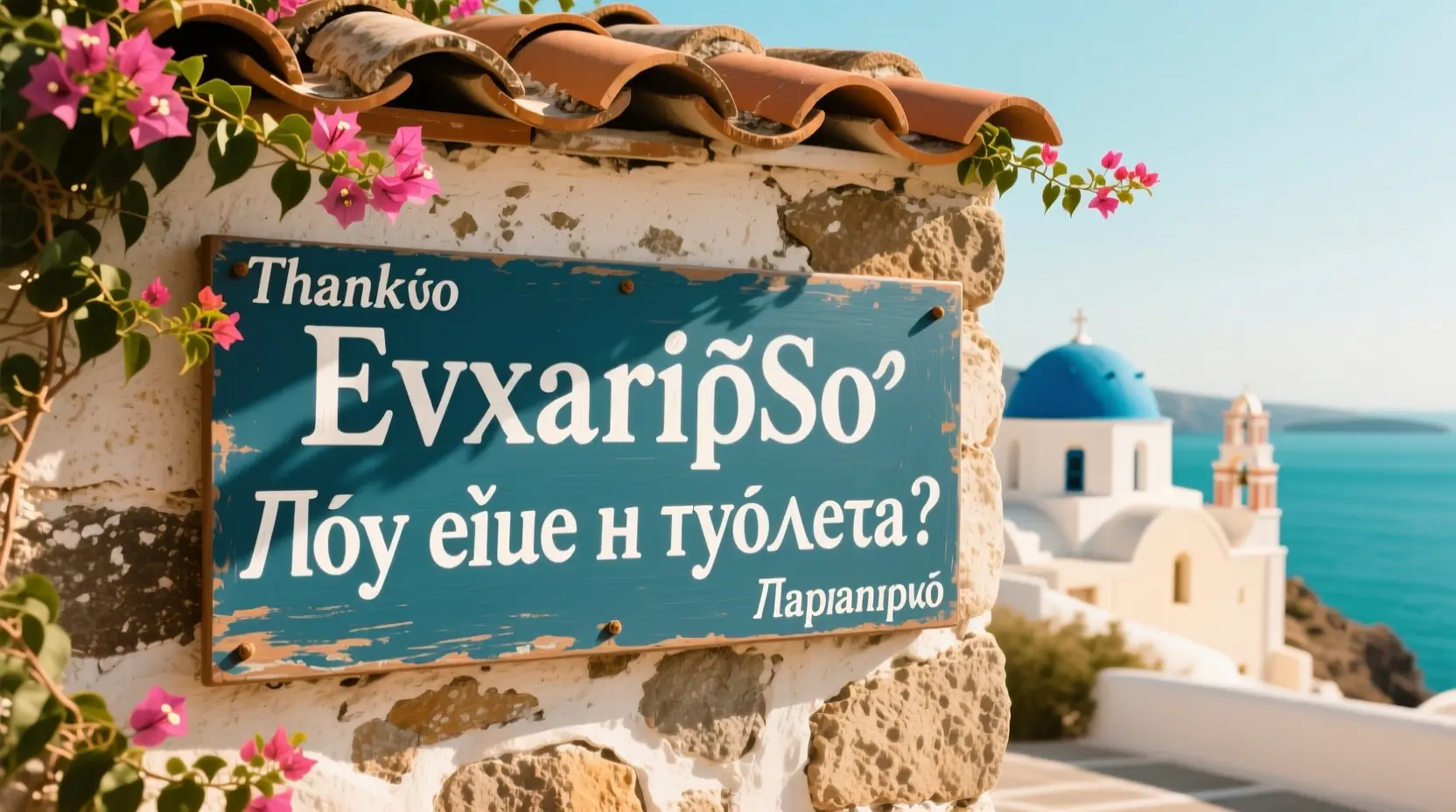
Traveling to Greece is exciting, beautiful, and full of warm hospitality.
But when you are in a new country, even simple things like ordering food, asking for help, or finding the bus can feel confusing.
That’s where common Greek phrases for travel make everything easier.
In this guide, we’ll explore practical and easy Greek phrases you can use at restaurants, hotels, shops, and while exploring the city.
Each phrase comes with simple examples and “use when” tips, so you know exactly how to say it and when to use it.
By the end, you’ll feel ready to talk, ask, order, and explore like a friendly traveler not a lost tourist.
Why It Matters 🌍
Learning common Greek phrases for travel is more than memorizing words.
It helps you build trust, show respect, and feel more confident as you move around Greece.
Locals appreciate when visitors try to speak even a little Greek. It shows you care about their culture.
Knowing these phrases also saves time. Instead of relying only on Google Translate, you can handle simple moments yourself checking into a hotel, buying ferry tickets, or asking for directions in a busy street.
In short, these phrases make your trip smoother, friendlier, and more enjoyable.
Essential Greetings & Polite Phrases 🤝
Kaliméra – Good Morning
What it means: A friendly way to greet someone until noon.
Use When: You meet someone in the morning or enter a shop early.
Example: Kaliméra! Do you have coffee?
Kalispéra – Good Evening
What it means: A warm evening greeting, used after 5 PM.
Use When: Arriving at restaurants or shops in the evening.
Example: Kalispéra! Table for two, please.
Efharistó – Thank You
What it means: A polite and commonly used word.
Use When: Someone helps you or serves you.
Example: Efharistó for the directions!
Parakaló – Please / You’re welcome
What it means: A friendly phrase for many situations.
Use When: Asking for something or replying to “thank you.”
Example: Parakaló, can I get some water?
Asking for Directions 🧭
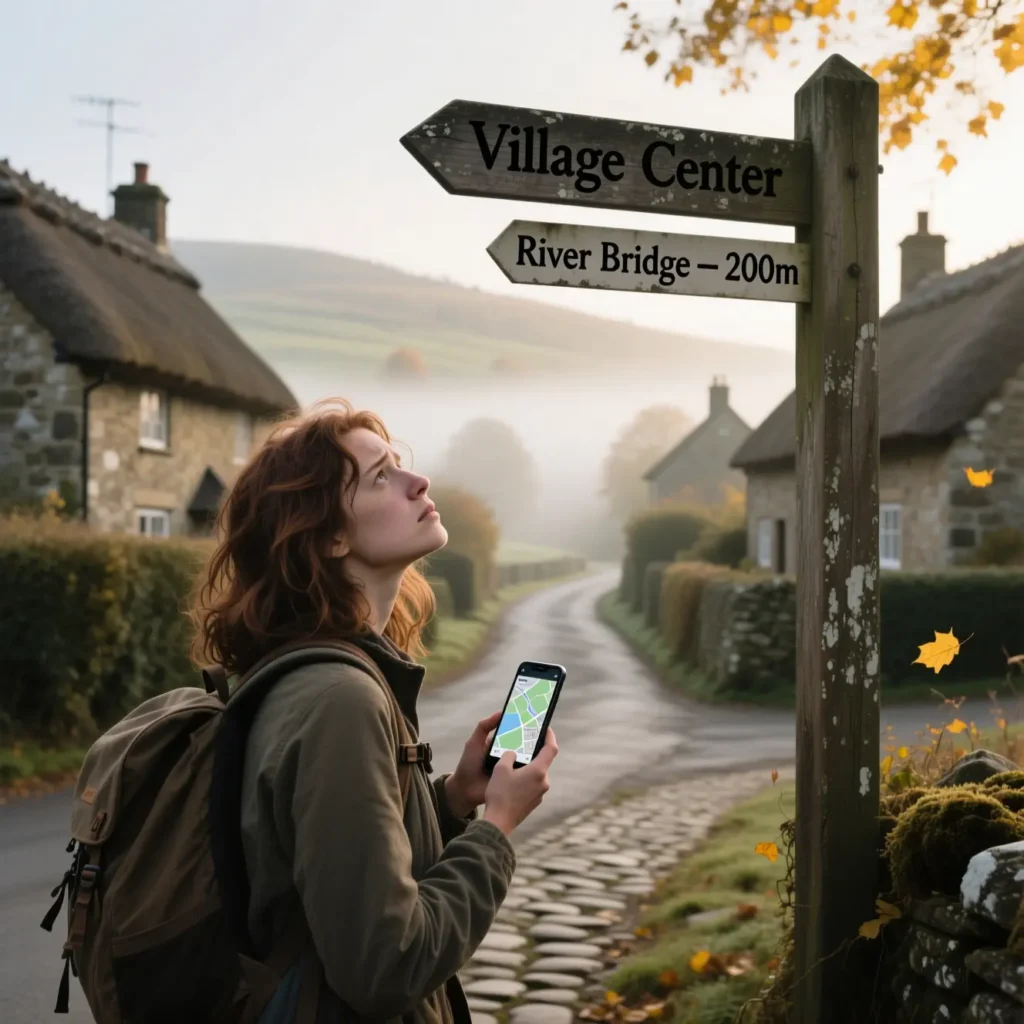
Pou íne…? – Where is…?
Explanation: A simple way to ask for locations.
Use When: You need help finding a place.
Example: Pou íne the metro?
Deξiá / Aristerá – Right / Left
Explanation: Helps you understand quick directions.
Use When: Someone tells you which way to go.
Example: Go deξiá and then straight.
Konto? – Is it close?
Explanation: Great for checking distance.
Use When: You want to know if you can walk there.
Example: Is the museum kontó?
Boró na páo…? – Can I go…?
Explanation: Helps you ask about routes.
Use When: You’re unsure if a road or path works.
Example: Boró na páo there on foot?
At Restaurants & Cafes 🍽️☕

Menu, parakaló – Menu, please
Explanation: Easy and polite way to ask for the food list.
Use When: Entering a café or restaurant.
Example: Menu, parakaló.
Neró, parakaló – Water, please
Explanation: Useful because many restaurants serve bottled water.
Use When: You feel thirsty or just sat down.
Example: Neró, parakaló.
Logariasmó, parakaló – The bill, please
Explanation: Needed to pay and leave.
Use When: You’re done eating.
Example: Logariasmó, parakaló.
Eínai nóstimo – It’s delicious
Explanation: A compliment Greek people love.
Use When: Praising food.
Example: This souvlaki is nóstimo!
Shopping & Markets 🛍️
Póso kostí? – How much is it?
Explanation: Perfect for markets or small shops.
Use When: Checking prices.
Example: Póso kostí this magnet?
Bóro na dó…? – Can I see…?
Explanation: Helps when choosing items.
Use When: You want to look closely at something.
Example: Bóro na dó that bracelet?
Éhete alló mégethos? – Do you have another size?
Explanation: Especially useful for clothes and shoes.
Use When: Something doesn’t fit.
Example: Éhete alló mégethos in large?
Thelo aftó – I want this
Explanation: A simple way to buy something.
Use When: You’re ready to choose.
Example: Thelo aftó, parakaló.
At Hotels & Accommodation 🏨
Ého krátisí – I have a reservation
Explanation: Helps with check-in.
Use When: Arriving at your hotel.
Example: Ého krátisí for two nights.
I thára mou parakaló – My room, please
Explanation: Simple phrase for room-related requests.
Use When: You forgot your room number or need help.
Example: Where is my room? I tháṟa mou parakaló.
Boríte na voithísate? – Can you help?
Explanation: Useful for any hotel question.
Use When: You need assistance.
Example: Boríte na voithísate with the Wi-Fi?
Yparchei proinó? – Is there breakfast?
Explanation: Helps you know meal timings.
Use When: Checking breakfast details.
Example: Yparchei proinó tomorrow?
Emergency & Safety Phrases 🚑⚠️
Voíteia! – Help!
Explanation: The most important safety phrase.
Use When: You feel unsafe or need urgent help.
Example: Voíteia! Please help!
Hástika – It’s urgent
Explanation: Shows it’s an emergency.
Use When: You need fast attention.
Example: Hástika! Call someone!
Hthélo iadó – I need a doctor
Explanation: Critical for medical issues.
Use When: Feeling sick or hurt.
Example: Parakaló, hthélo iadó.
Pou íne to nosokomeío? – Where is the hospital?
Explanation: Helps locate care.
Use When: Searching for medical help.
Example: Pou íne the nearest hospital?
Transport & Getting Around 🚆🚖🚢
Póte févgi? – When does it leave?
Explanation: Works for buses, ferries, and trains.
Use When: Checking departure times.
Example: Póte févgi the ferry?
E ticket parakaló – One ticket please
Explanation: Helps you buy tickets.
Use When: At stations or kiosks.
Example: E ticket parakaló for Athens.
Pou páei aftó? – Where does this go?
Explanation: Useful when unsure of a route.
Use When: Boarding buses or trams.
Example: Pou páei aftó? Does it go to the port?
Stási edo? – Stop here?
Explanation: Helps you get off at the right place.
Use When: Riding buses.
Example: Stási edo, parakaló.
Casual Conversation & Friendly Phrases 😊
Ti kánis? – How are you?
Explanation: A warm way to talk to locals.
Use When: Meeting people or chatting casually.
Example: Ti kánis today?
Orea mera – Nice day
Explanation: A friendly comment.
Use When: Starting small talk.
Example: Orea mera for a walk!
Mou arései poli! – I like it a lot
Explanation: Great for compliments.
Use When: Talking about food, places, or items.
Example: Mou arései poli this beach.
Miláte Angliká? – Do you speak English?
Explanation: Always handy.
Use When: You need clearer communication.
Example: Miláte Angliká? I need help.
Bonus Recap Table 📘
| Category | Phrase | Meaning | Example |
|---|---|---|---|
| Greetings | Kaliméra | Good morning | Kaliméra! How are you? |
| Directions | Pou íne…? | Where is…? | Pou íne the bus stop? |
| Restaurants | Logariasmó, parakaló | The bill, please | Bill, please. |
| Shopping | Póso kostí? | How much is it? | How much is this? |
| Hotels | Ého krátisí | I have a reservation | Reservation under John. |
| Emergencies | Voíteia! | Help! | Voíteia, please! |
| Transport | Póte févgi? | When does it leave? | Ferry leaves when? |
| Conversation | Miláte Angliká? | Do you speak English? | Miláte Angliká? |
Final Thoughts
Learning common Greek phrases for travel helps you feel confident, calm, and connected during your trip. You don’t need to be perfect.
Even simple words open doors, create smiles, and lead to better experiences.
So keep these phrases close, practice them before you go, and use them proudly when you land in Greece.

Leave a Reply