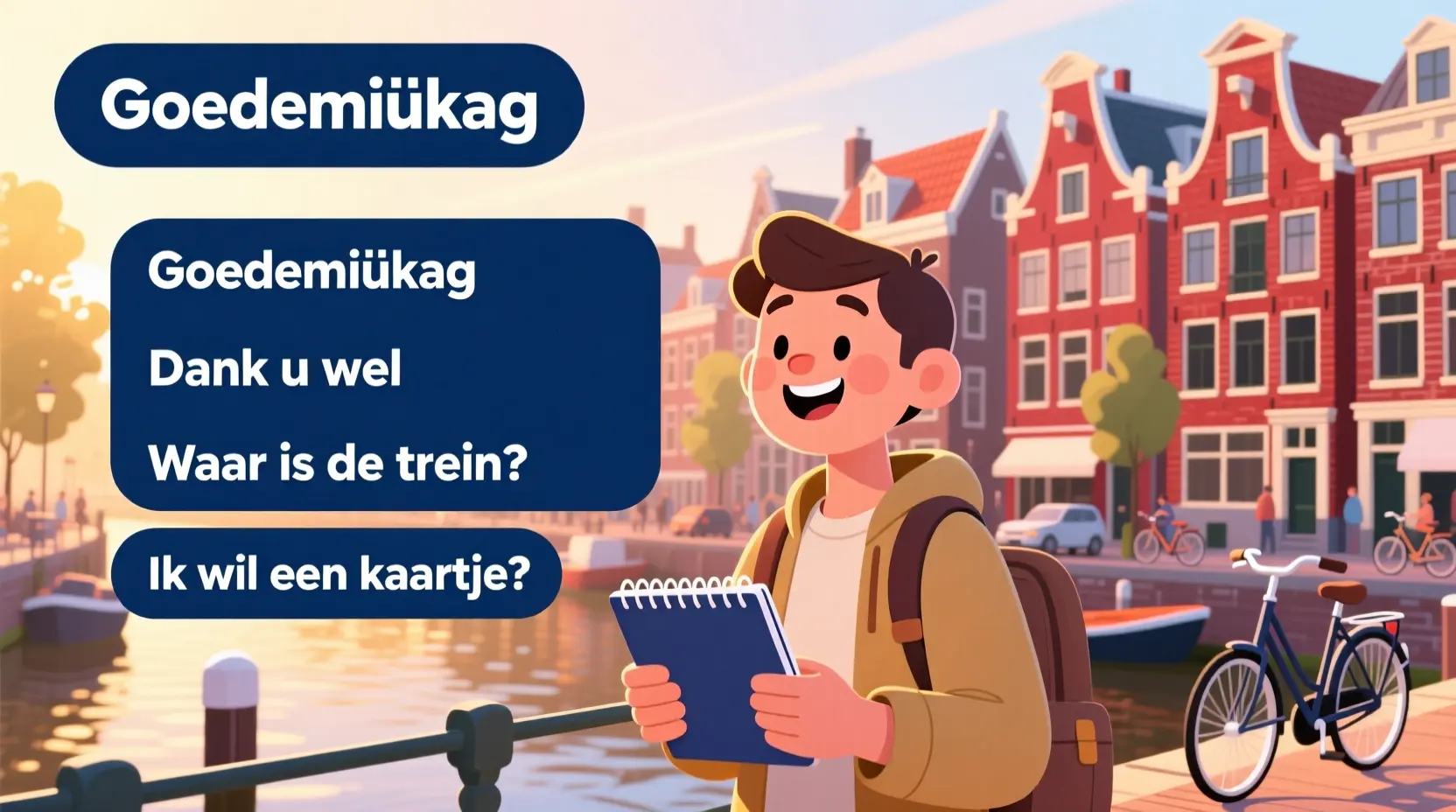
Traveling to a new country can be exciting, but language barriers often make it challenging.
Basic Dutch phrases for travel are simple yet powerful tools that help travelers connect with locals, navigate daily situations, and enjoy a more immersive experience.
Learning a few key words and expressions shows respect for Dutch culture and can make your trip smoother, safer, and more enjoyable.
From ordering food at a café to asking for directions, knowing these phrases makes you feel confident and helps avoid misunderstandings.
Why It Matters 🌍
Understanding {{basic Dutch phrases for travel}} is more than just a convenience.
It can save time, prevent confusion, and even create memorable interactions with locals.
Imagine arriving at a Dutch train station without knowing how to ask for your platform it could be stressful
- Safety: Asking for help or directions in emergencies.
- Social connection: Greeting locals and expressing politeness.
- Efficiency: Ordering meals, buying tickets, or booking accommodations.
Even if your Dutch is not perfect, locals appreciate the effort, and it often leads to friendlier interactions. Knowing these phrases can transform your travel experience from frustrating to fun.
Greetings and Basic Etiquette 👋

Hello and Goodbye
Explanation: Basic greetings are essential in any conversation.
Use When: Meeting someone for the first time or leaving a place.
Example:
- Hoi! / Hallo! – Hi! / Hello!
- Tot ziens! – Goodbye!
Please and Thank You
Explanation: Politeness goes a long way in Dutch culture.
Use When: Asking for favors or receiving service.
Example:
- Alsjeblieft – Please
- Dank je wel – Thank you
Excuse Me
Explanation: Used to politely get someone’s attention.
Use When: Navigating crowded areas or apologizing.
Example:
- Pardon – Excuse me
Asking for Directions 🗺️
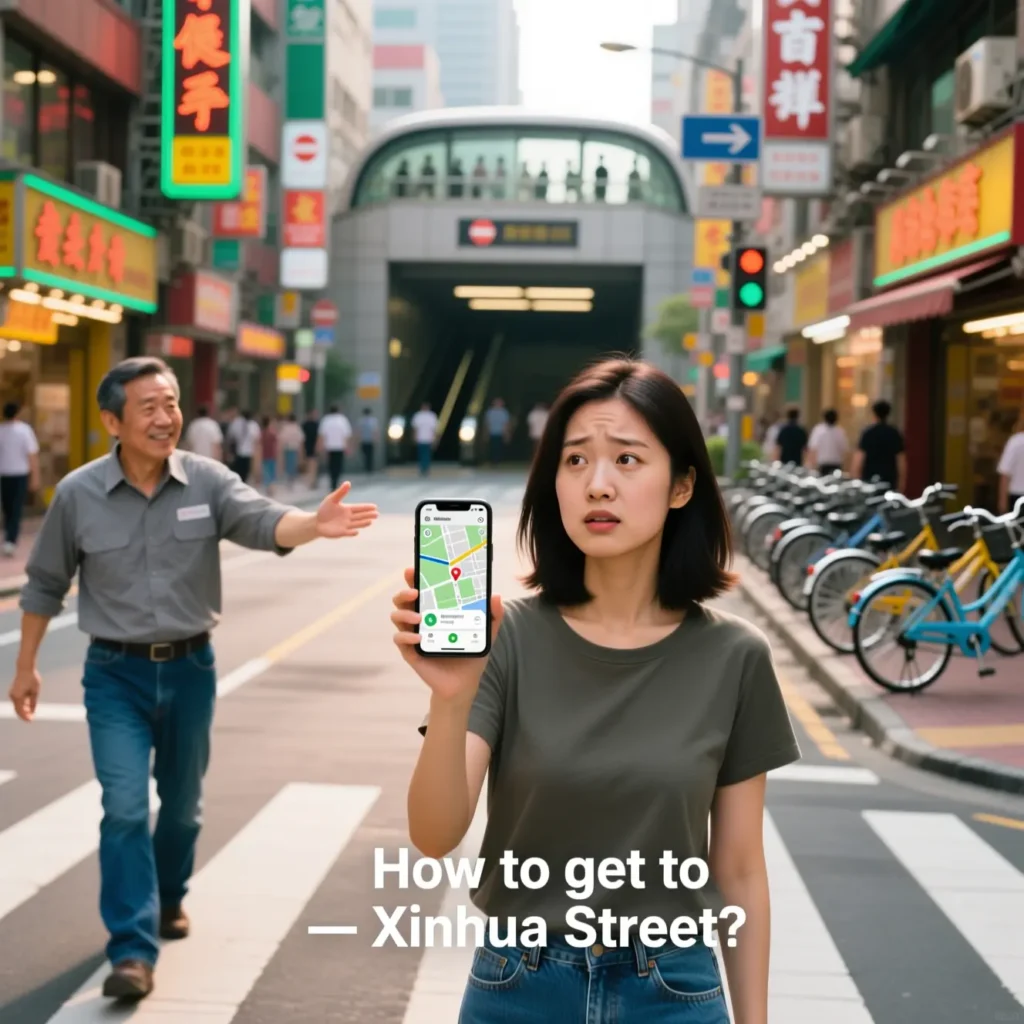
Where is…?
Explanation: Essential for navigating cities.
Use When: Looking for landmarks, restaurants, or transport.
Example:
- Waar is het museum? – Where is the museum?
How Do I Get There?
Explanation: Useful for public transport or walking.
Use When: Clarifying directions.
Example:
- Hoe kom ik bij het station? – How do I get to the station?
Left, Right, Straight
Explanation: Understanding basic directions.
Use When: Following local instructions.
Example:
- Ga links – Go left
- Ga rechts – Go right
- Rechtdoor – Straight ahead
Dining and Food 🍽️

Ordering Food
Explanation: Asking for dishes at restaurants or cafés.
Use When: Sitting at a restaurant or café.
Example:
- Ik wil graag een broodje kaas. – I would like a cheese sandwich.
Asking for the Bill
Explanation: To close your dining experience politely.
Use When: Paying after a meal.
Example:
- Mag ik de rekening, alstublieft? – Can I have the bill, please?
Dietary Preferences
Explanation: Communicate food restrictions or allergies.
Use When: Ordering food that meets dietary needs.
Example:
- Ik ben vegetarisch. – I am vegetarian.
Shopping and Transactions 🛍️

Asking the Price
Explanation: Essential for markets or stores.
Use When: Checking prices before purchase.
Example:
- Hoeveel kost dit? – How much does this cost?
Bargaining and Offers
Explanation: Some places allow polite negotiation.
Use When: Markets or souvenir shops.
Example:
- Kunt u een korting geven? – Can you give a discount?
Paying Methods
Explanation: Understanding payment options.
Use When: At shops or restaurants.
Example:
- Kan ik met pin betalen? – Can I pay with card?
Emergencies and Help 🚨
Asking for Help
Explanation: Critical in unexpected situations.
Use When: Needing immediate assistance.
Example:
- Help! – Help!
- Kunt u mij helpen? – Can you help me?
Medical Assistance
Explanation: Explaining urgent health issues.
Use When: Visiting a pharmacy or hospital.
Example:
- Ik voel me niet goed. – I don’t feel well.
Lost Items
Explanation: Recovering lost belongings.
Use When: At police stations or lost-and-found offices.
Example:
- Ik ben mijn tas kwijt. – I lost my bag.
Transportation 🚆

Buying Tickets
Explanation: Navigating buses, trains, or metros.
Use When: Purchasing tickets at stations.
Example:
- Een enkele reis naar Amsterdam, alstublieft. – A single ticket to Amsterdam, please.
Asking for Timings
Explanation: Checking schedules.
Use When: Planning trips around the city.
Example:
- Hoe laat vertrekt de trein? – What time does the train leave?
Taxi or Ride Requests
Explanation: Hailing taxis or asking drivers.
Use When: Reaching destinations quickly.
Example:
- Kunt u mij naar het hotel brengen? – Can you take me to the hotel?
Accommodation 🏨

Booking a Room
Explanation: Communicating with hotel reception.
Use When: Checking in at hotels or hostels.
Example:
- Ik heb een kamer gereserveerd. – I have a reservation.
Asking for Services
Explanation: Requesting amenities or assistance.
Use When: During your stay.
Example:
- Heeft u een kaart van de stad? – Do you have a city map?
Complaints or Issues
Explanation: Handling minor problems politely.
Use When: Reporting issues in rooms.
Example:
- Het water werkt niet. – The water is not working.
Bonus Recap Table 📝
| Category | Key Phrases | Use Case |
|---|---|---|
| Greetings & Etiquette | Hoi! Hallo!, Dank je wel, Pardon | Meeting people, politeness |
| Directions | Waar is…?, Hoe kom ik bij…?, Ga links | Asking for places, navigating |
| Dining & Food | Ik wil graag…, Mag ik de rekening? | Ordering, paying, dietary needs |
| Shopping & Transactions | Hoeveel kost dit?, Kunt u korting geven? | Buying items, negotiating |
| Emergencies & Help | Help!, Kunt u mij helpen?, Ik ben mijn tas kwijt | Safety, medical, lost items |
| Transportation | Een enkele reis…, Hoe laat vertrekt…? | Tickets, schedules, taxis |
| Accommodation | Ik heb een kamer gereserveerd, Het water werkt niet | Hotel check-in, services, complaints |
Final Thoughts 🌟
Learning {{basic Dutch phrases for travel}} transforms your travel experience in the Netherlands. You don’t need to speak fluently even simple phrases help you navigate, connect, and enjoy your trip.
Practice greetings, dining expressions, directions, and emergency phrases to feel confident. Remember, locals appreciate any effort, and it often opens doors to unique cultural experiences.

Leave a Reply