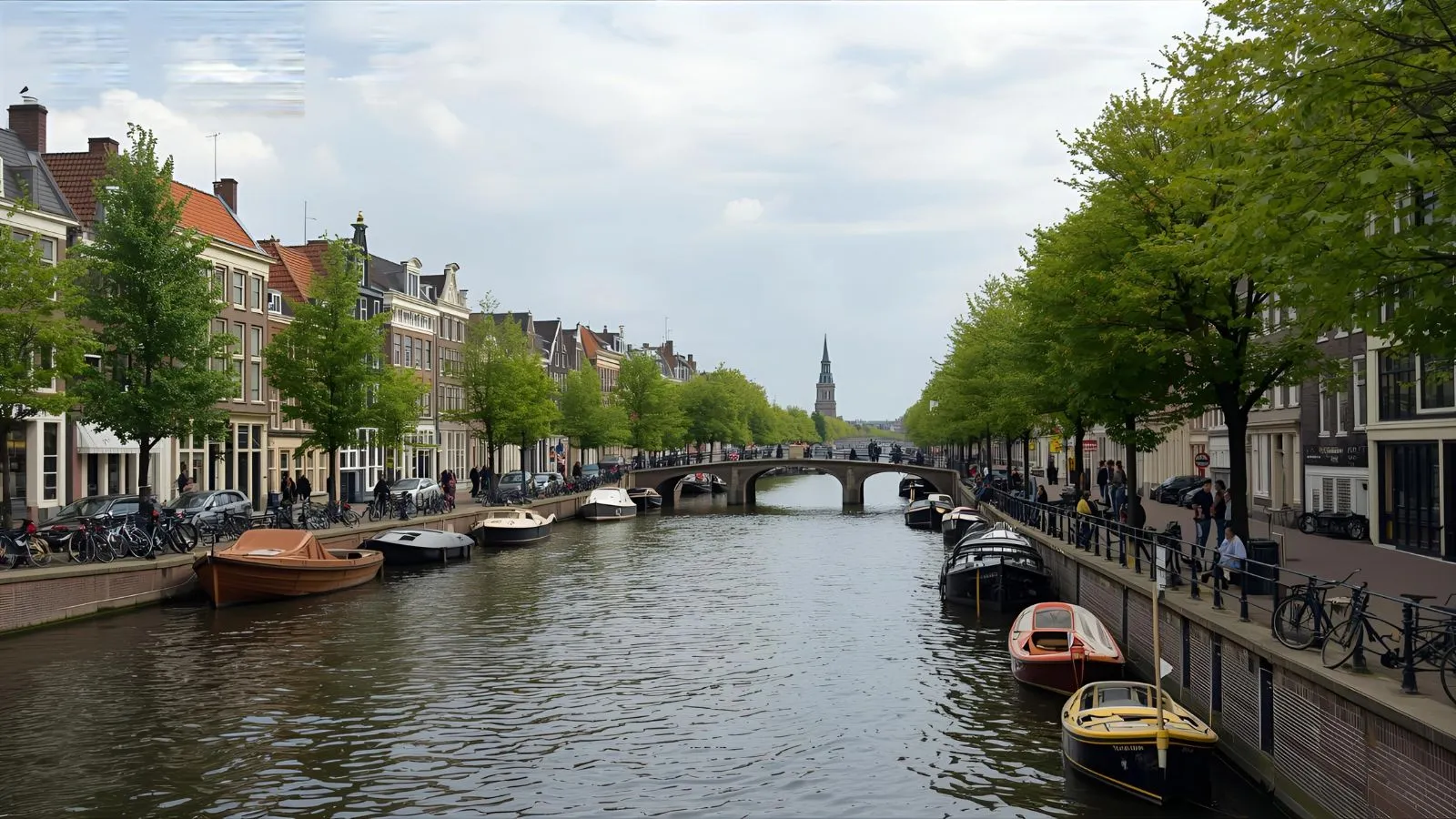
Traveling to the Netherlands can be exciting, full of culture, tulips, canals, and amazing food.
But if you don’t speak Dutch, navigating cities, ordering food, or asking for directions might feel tricky.
That’s why learning basic Dutch phrases for tourists is not only helpful but also makes your trip smoother and more enjoyable.
Whether you’re visiting Amsterdam, Rotterdam, or smaller towns, knowing basic Dutch phrases for tourists will boost your confidence and make your journey more memorable.
Why Basic Dutch Phrases for Tourists Matter

When traveling abroad, language is your key to connection. Here’s why learning basic Dutch phrases for tourists is essential:
- Smooth Communication: You can ask for directions, order food, or book accommodations without stress.
- Cultural Respect: Using local phrases shows appreciation for Dutch culture.
- Safety: Asking questions clearly can prevent getting lost or ending up in confusing situations.
- Enhanced Experiences: Locals may share tips or hidden gems when you communicate in Dutch.
Now, let’s break down basic Dutch phrases for tourists into practical categories to make it easy to remember and use.
🗨️ Greetings and Introductions
Learning greetings is the first step in connecting with locals.
Goedemorgen (Good morning)
Use When: Starting a conversation in the morning.
Example: “Goedemorgen! Hoe gaat het?” (Good morning! How are you?)
Goedenavond (Good evening)
Use When: Greeting someone in the evening.
Example: “Goedenavond! Mag ik de menukaart?” (Good evening! May I have the menu?)
Hoi / Hallo (Hi / Hello)
Use When: Casual encounters or informal introductions.
Example: “Hoi, ik ben Sarah.” (Hi, I’m Sarah.)
Aangenaam kennis te maken (Nice to meet you)
Use When: Meeting someone for the first time.
Example: “Aangenaam kennis te maken. Ik kom uit Canada.” (Nice to meet you. I’m from Canada.)
🛒 Ordering Food and Drinks

Food is one of the best parts of travel. These phrases will make dining easy.
Ik wil graag… (I would like…)
Use When: Ordering meals or drinks.
Example: “Ik wil graag een koffie met melk.” (I would like a coffee with milk.)
Mag ik de rekening, alstublieft?
Use When: Asking for the check after your meal.
Example: “Mag ik de rekening, alstublieft?” (Can I have the bill, please?)
Wat raadt u aan?
Use When: Asking for suggestions from staff.
Example: “Wat raadt u aan voor het diner?” (What do you recommend for dinner?)
Is dit vegetarisch?
Use When: Checking food options.
Example: “Is deze soep vegetarisch?” (Is this soup vegetarian?)
🗺️ Asking for Directions

Exploring the Netherlands often involves walking or biking. These phrases are lifesavers.
Waar is…?
Use When: Asking for locations.
Example: “Waar is het station?” (Where is the train station?)
Hoe kom ik bij…?
Use When: Getting instructions to a place.
Example: “Hoe kom ik bij het Van Gogh Museum?” (How do I get to the Van Gogh Museum?)
Rechtdoor / Links / Rechts
Use When: Following or giving directions.
Example: “Ga rechtdoor en dan links bij het plein.” (Go straight and then left at the square.)
Ik ben verdwaald (I am lost)
Use When: Asking for urgent help.
Example: “Excuseer, ik ben verdwaald. Kunt u helpen?” (Excuse me, I am lost. Can you help?)
💸 Shopping Phrases
Buying souvenirs or essentials requires simple Dutch phrases.
Hoeveel kost dit? (How much does this cost?)
Use When: Checking prices.
Example: “Hoeveel kost dit t-shirt?” (How much does this t-shirt cost?)
Ik wil dit kopen (I want to buy this)
Use When: Confirming your purchase.
Example: “Ik wil dit kopen, alstublieft.” (I want to buy this, please.)
Kan ik met pin betalen? (Can I pay with card?)
Use When: Checking payment options.
Example: “Kan ik met pin betalen of alleen contant?” (Can I pay with card or only cash?)
🏨 At Hotels and Accommodations
Checking in and staying comfortably is easier with these phrases.
Ik heb een reservering (I have a reservation)
Use When: Arriving at a hotel or Airbnb.
Example: “Goedemiddag, ik heb een reservering op naam van Jansen.” (Good afternoon, I have a reservation under Jansen.)
Kan ik een kamer zien? (Can I see a room?)
Use When: Checking room options.
Example: “Kan ik een kamer zien voordat ik beslis?” (Can I see a room before I decide?)
Heeft u WiFi? (Do you have WiFi?)
Use When: Asking for internet access.
Example: “Heeft u WiFi in de kamer?” (Do you have WiFi in the room?)
Hoe laat is het ontbijt? (What time is breakfast?)
Use When: Checking hotel services.
Example: “Hoe laat is het ontbijt geserveerd?” (What time is breakfast served?)
🚨 Emergency Phrases
Safety is always a priority. Memorize these phrases.
Help! (Help!)
Use When: Calling for immediate assistance.
Example: “Help! Ik ben gevallen.” (Help! I have fallen.)
Bel de politie (Call the police)
Use When: Reporting an emergency.
Example: “Bel de politie, er is een ongeluk!” (Call the police, there’s an accident!)
Ik heb een dokter nodig (I need a doctor)
Use When: Medical emergencies.
Example: “Ik heb een dokter nodig, mijn vriend voelt zich slecht.” (I need a doctor, my friend feels unwell.)
Waar is het ziekenhuis? (Where is the hospital?)
Use When: Asking for urgent medical help.
Example: “Waar is het dichtstbijzijnde ziekenhuis?” (Where is the nearest hospital?)
Bonus Recap Table: 📋 Quick Reference
| Category | Phrase | Use When | Example |
|---|---|---|---|
| Greetings | Goedemorgen | Morning greeting | “Goedemorgen! Hoe gaat het?” |
| Food & Drinks | Ik wil graag… | Ordering meals | “Ik wil graag een koffie met melk.” |
| Directions | Waar is…? | Asking location | “Waar is het station?” |
| Shopping | Hoeveel kost dit? | Checking prices | “Hoeveel kost dit t-shirt?” |
| Hotels | Ik heb een reservering | Checking in | “Ik heb een reservering op naam van Jansen.” |
| Emergency | Help! | Immediate assistance | “Help! Ik ben gevallen.” |
Final Thoughts: ✨ Make Your Trip Memorable
Learning basic Dutch phrases for tourists may feel small, but it transforms your experience.
Start with greetings, then move to practical phrases for food, travel, shopping, and emergencies.
Practice daily, even before your trip, and don’t be afraid to make mistakes locals appreciate the effort.

QuicklyReply helps you master real-life communication with ready-to-use English phrases for work, travel, and daily life—perfect for teachers, learners, and professionals seeking quick, natural expressions.
Leave a Reply