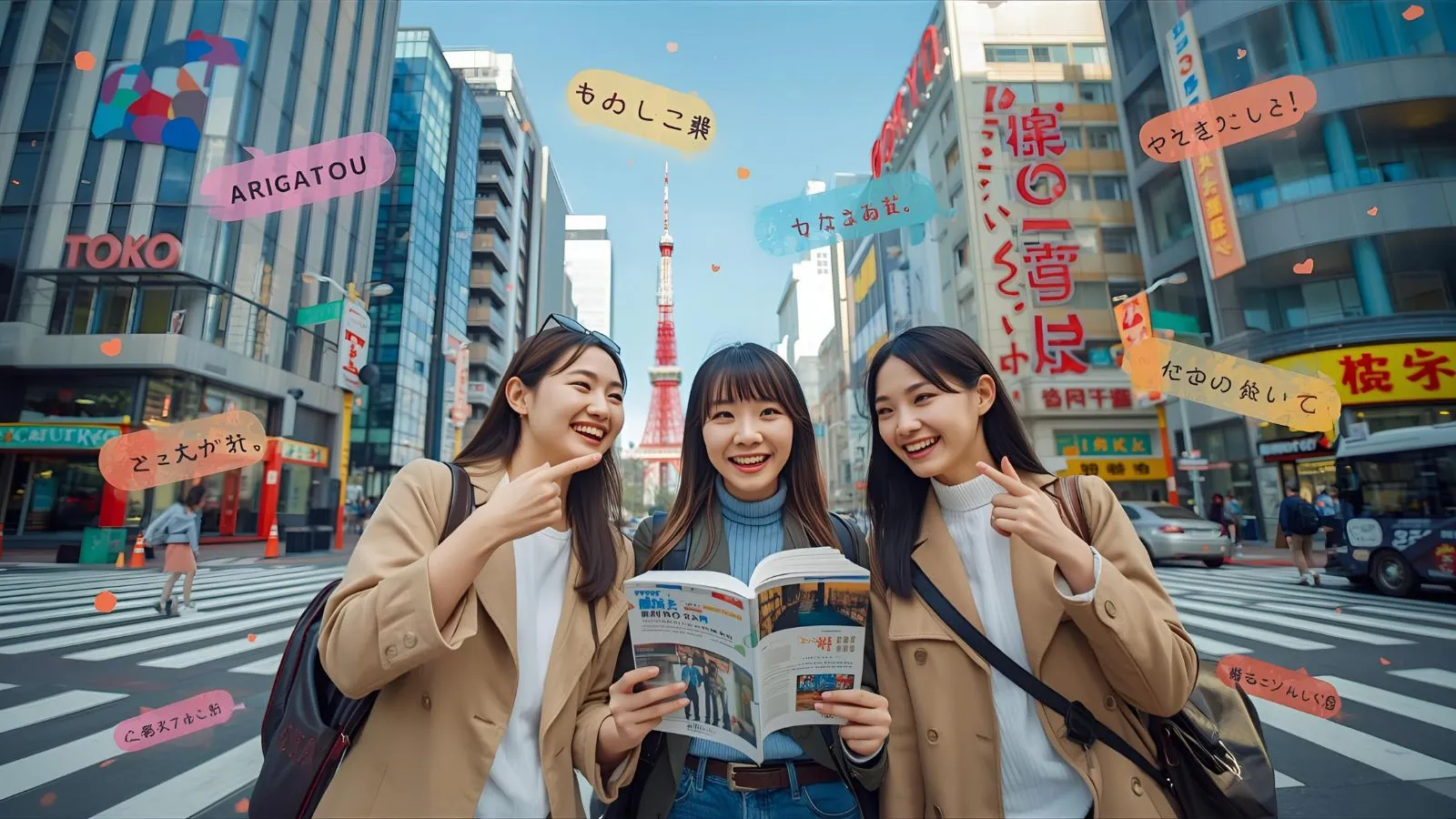
Traveling to Japan is an unforgettable adventure filled with culture, food, and warm hospitality.
But if you don’t speak Japanese, it can sometimes feel like stepping into another world. That’s where 25 useful phrases in Japanese for tourists come in handy.
These essential expressions help you communicate politely, order delicious meals, ask for directions, and connect with locals even if you know only a few words.
By learning these simple phrases, you’ll show respect for the local culture, make new friends, and navigate your trip more smoothly.
Let’s dive into some easy, friendly, and practical phrases that every traveler to Japan should know!
Why It Matters 🗾
Japan is a country where politeness is everything. Locals appreciate even small efforts to speak their language. Knowing these useful Japanese phrases for tourists makes traveling easier, builds trust, and shows genuine respect.
Imagine walking into a restaurant and greeting the staff with a cheerful “Konnichiwa!” instead of silence it instantly breaks barriers.
These phrases aren’t just about words; they’re about cultural connection.
You’ll find that even simple Japanese phrases can turn ordinary travel moments into memorable encounters.
1. Basic Greetings & Polite Expressions 🙏

Start every interaction with respect and warmth. These phrases are the foundation of good communication in Japan.
Konnichiwa (こんにちは) — Hello / Good Afternoon
Use When: Meeting someone during the day or entering a shop.
Example: Konnichiwa! Watashi wa Sam desu. (Hello! I’m Sam.)
Arigatou Gozaimasu (ありがとうございます) — Thank You
Use When: Someone helps you or gives you something.
Example: Arigatou gozaimasu! (Thank you very much!)
Sumimasen (すみません) — Excuse Me / I’m Sorry
Use When: Getting attention, apologizing, or passing through a crowd.
Example: Sumimasen, doko desu ka? (Excuse me, where is it?)
Ohayou Gozaimasu (おはようございます) — Good Morning
Use When: Greeting someone early in the day.
Example: Ohayou gozaimasu! (Good morning!)
Konbanwa (こんばんは) — Good Evening
Use When: Meeting or greeting people at night.
Example: Konbanwa, genki desu ka? (Good evening, how are you?)
2. Asking for Directions 🚉
Getting around Japan is fun—but sometimes confusing! These phrases will help you find your way.
Eki wa doko desu ka? (駅はどこですか?) — Where is the station?
Use When: You’re lost or looking for a train station.
Example: Sumimasen, eki wa doko desu ka? (Excuse me, where is the station?)
Kono chikaku ni konbini arimasu ka? (この近くにコンビニありますか?) — Is there a convenience store nearby?
Use When: Searching for a store or shop.
Example: Kono chikaku ni konbini arimasu ka?
Toire wa doko desu ka? (トイレはどこですか?) — Where is the toilet?
Use When: Looking for a restroom—always handy!
Example: Sumimasen, toire wa doko desu ka?
Koko wa doko desu ka? (ここはどこですか?) — Where am I?
Use When: You’re completely lost.
Example: Sumimasen, koko wa doko desu ka?
3. Ordering Food & Drinks 🍜
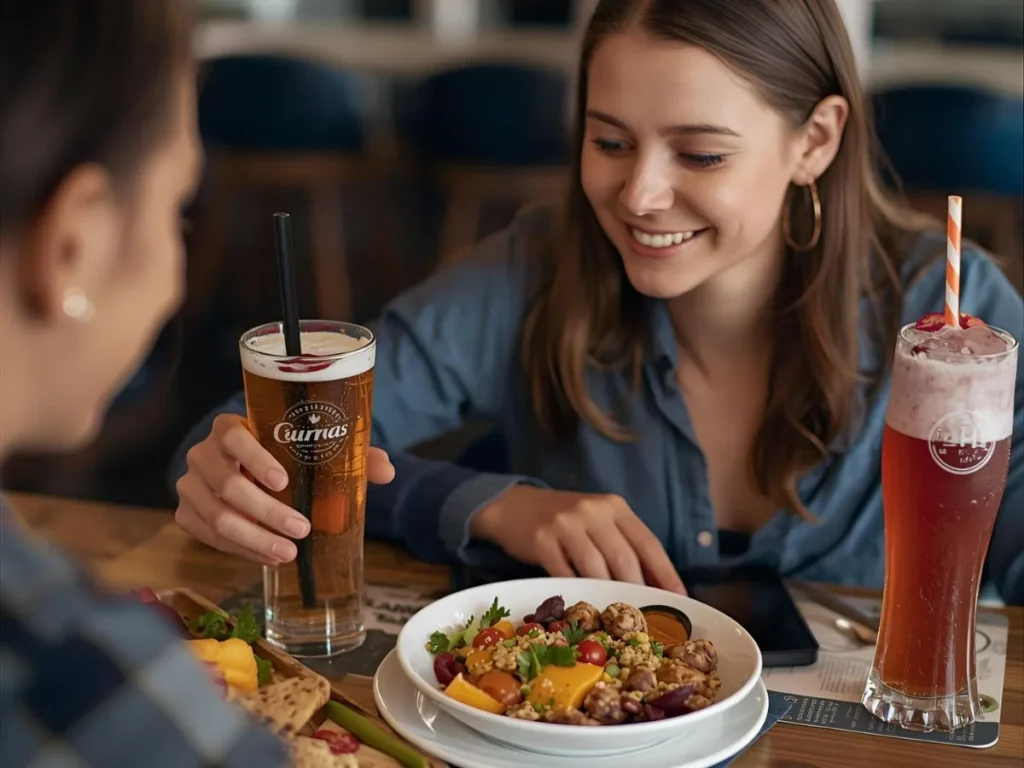
Japan’s food is amazing! Use these phrases to order confidently and politely.
Menu o kudasai (メニューをください) — Please give me the menu
Use When: You sit down at a restaurant.
Example: Sumimasen, menu o kudasai.
Kore o kudasai (これをください) — This one, please
Use When: Pointing to a dish or item.
Example: Kore o kudasai. (I’ll have this, please.)
Oishii desu (おいしいです) — It’s delicious!
Use When: Complimenting food.
Example: Sushi wa oishii desu! (The sushi is delicious!)
Mizu o kudasai (水をください) — Water, please
Use When: Asking for water.
Example: Sumimasen, mizu o kudasai.
Okanjou onegaishimasu (お勘定お願いします) — The bill, please
Use When: Ready to pay at a restaurant.
Example: Sumimasen, okanjou onegaishimasu.
4. Shopping & Money 💴
Shopping in Japan is exciting—from souvenirs to fashion. Here’s how to make your experience smooth.
Ikura desu ka? (いくらですか?) — How much is it?
Use When: Asking for prices.
Example: Kore wa ikura desu ka? (How much is this?)
Kore o kudasai (これをください) — I’ll take this one
Use When: Deciding to buy something.
Example: Kore o kudasai.
Motto yasui no arimasu ka? (もっと安いのありますか?) — Do you have something cheaper?
Use When: Looking for a discount or cheaper option.
Example: Motto yasui no arimasu ka?
Kurejitto kaado wa tsukaemasu ka? (クレジットカードは使えますか?) — Can I use a credit card?
Use When: Unsure if cards are accepted.
Example: Kurejitto kaado wa tsukaemasu ka?
5. Transportation & Travel 🚅
From Shinkansen (bullet trains) to buses, here are must-know travel phrases.
Kippu o kudasai (切符をください) — A ticket, please
Use When: Buying a train or bus ticket.
Example: Tokyo made no kippu o kudasai. (A ticket to Tokyo, please.)
Nanji ni demasu ka? (何時に出ますか?) — What time does it leave?
Use When: Asking about departure times.
Example: Kono densha wa nanji ni demasu ka?
Noriba wa doko desu ka? (乗り場はどこですか?) — Where is the boarding area?
Use When: Looking for the correct platform or bus stop.
Example: Sumimasen, noriba wa doko desu ka?
Basutei wa doko desu ka? (バス停はどこですか?) — Where is the bus stop?
Use When: Searching for bus transportation.
Example: Basutei wa doko desu ka?
6. Emergencies & Help 🚨
It’s always good to be prepared. These phrases can help in urgent situations.
Tasukete! (助けて!) — Help!
Use When: You’re in danger or need immediate help.
Example: Tasukete! (Help!)
Byouin wa doko desu ka? (病院はどこですか?) — Where is the hospital?
Use When: Someone is hurt or sick.
Example: Byouin wa doko desu ka?
Keisatsu o yonde kudasai (警察を呼んでください) — Please call the police
Use When: In case of theft or accident.
Example: Keisatsu o yonde kudasai!
Watashi wa mayoi mashita (私は迷いました) — I’m lost
Use When: You can’t find your way.
Example: Sumimasen, watashi wa mayoi mashita.
7. Social & Friendly Phrases 💬
Make new friends and connect with locals using these simple yet warm expressions.
Genki desu ka? (元気ですか?) — How are you?
Use When: Starting a friendly conversation.
Example: Konnichiwa! Genki desu ka?
Watashi wa (name) desu (私は___です) — I’m (your name)
Use When: Introducing yourself.
Example: Watashi wa Sami desu.
Hajimemashite (はじめまして) — Nice to meet you
Use When: Meeting someone for the first time.
Example: Hajimemashite, watashi wa Sam desu.
Sayounara (さようなら) — Goodbye
Use When: Leaving politely.
Example: Sayounara, mata ne! (Goodbye, see you again!)
Bonus Recap Table 📘
| Category | Phrase | Meaning | Use When |
|---|---|---|---|
| Greetings | Konnichiwa | Hello | Meeting people |
| Food | Oishii desu | Delicious | After eating |
| Directions | Eki wa doko desu ka? | Where is the station? | Finding your way |
| Shopping | Ikura desu ka? | How much is it? | Asking price |
| Travel | Kippu o kudasai | Ticket, please | Buying a ticket |
| Emergency | Tasukete! | Help! | In danger |
| Social | Hajimemashite | Nice to meet you | Introducing yourself |
Final Thoughts 🌏
Learning these 25 useful phrases in Japanese for tourists can make your trip smoother, friendlier, and far more enjoyable. You don’t need to be fluent just a few kind words can make a big difference.
Locals appreciate your effort and respond warmly when you try speaking their language.
Before you pack your bags, practice these phrases aloud. Use them at airports, restaurants, and stores.
Each small phrase builds confidence, connection, and a deeper understanding of Japan’s culture.

QuicklyReply helps you master real-life communication with ready-to-use English phrases for work, travel, and daily life—perfect for teachers, learners, and professionals seeking quick, natural expressions.
Leave a Reply